
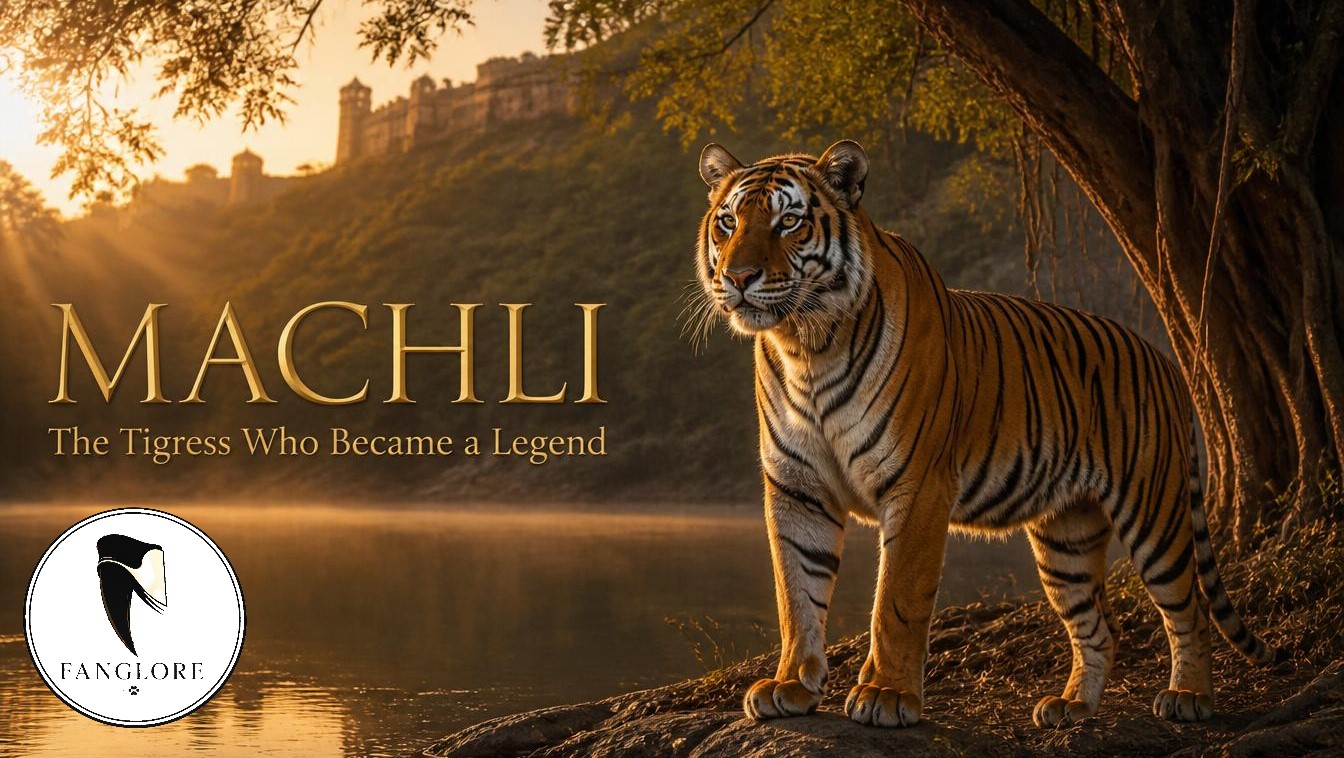
The Queen of Ranthambore
Few wild animals have achieved the level of fame that Machli, the legendary tigress of Ranthambore Tiger Reserve, enjoyed during her lifetime. Nicknamed the “Queen of Ranthambore” and later the “Lady of the Lakes,” she became one of India’s most photographed wild tigers and played a major role in wildlife conservation awareness.
Thousands of photographers, filmmakers, and wildlife enthusiasts traveled from across the globe hoping for a glimpse of her graceful walk around the lakes of Ranthambore. Her extraordinary life transformed the reserve into one of the world’s premier destinations for tiger sightings.
Born Into Royalty
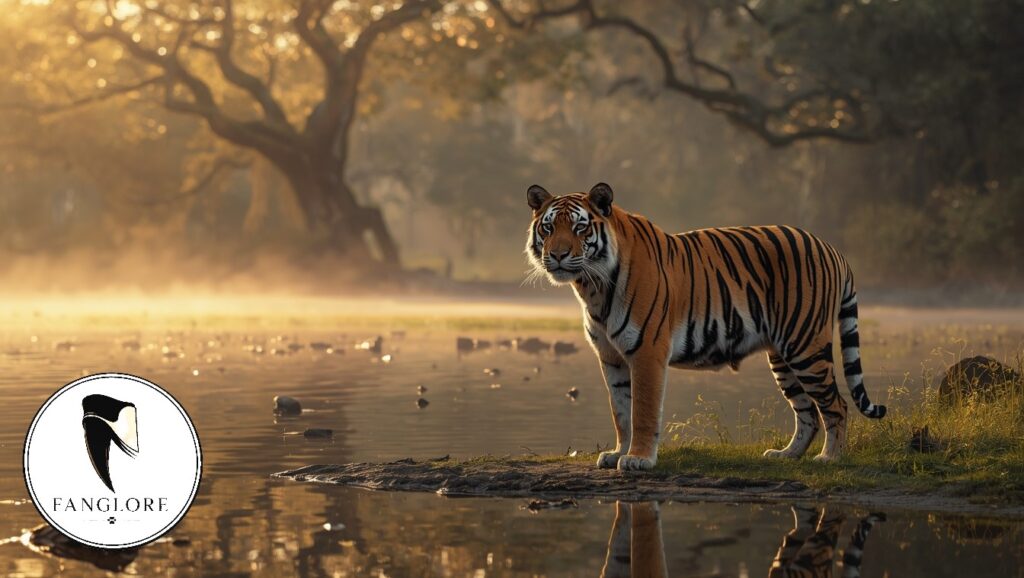
Machli was born around 1997 in Ranthambore National Park, Rajasthan. She was the daughter of another successful tigress known as Char-Gaon.
Wildlife researchers identified her by a unique fish-shaped marking on her left cheek. This unusual mark inspired her famous name:
Machli, which means “fish” in Hindi.
Over time, the name became known throughout the wildlife community.
The Queen Establishes Her Kingdom
Unlike many female tigers that occupy modest territories, Machli ruled one of the richest habitats in Ranthambore.
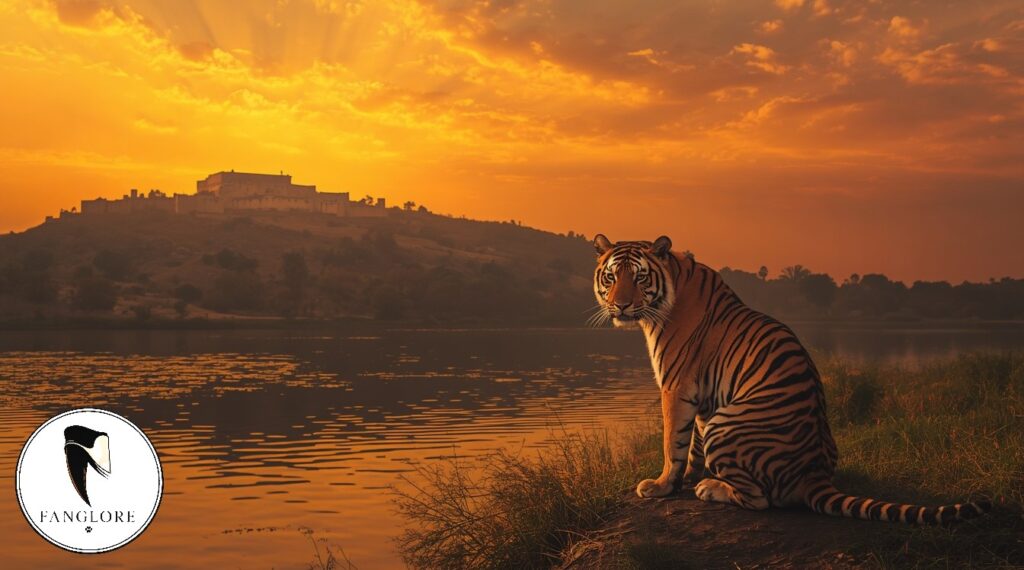
Her territory included several famous lakes:
- Padam Talao
- Rajbagh Lake
- Malik Talao
These water bodies attracted deer, sambar, wild boar, and numerous other prey animals, allowing Machli to thrive.
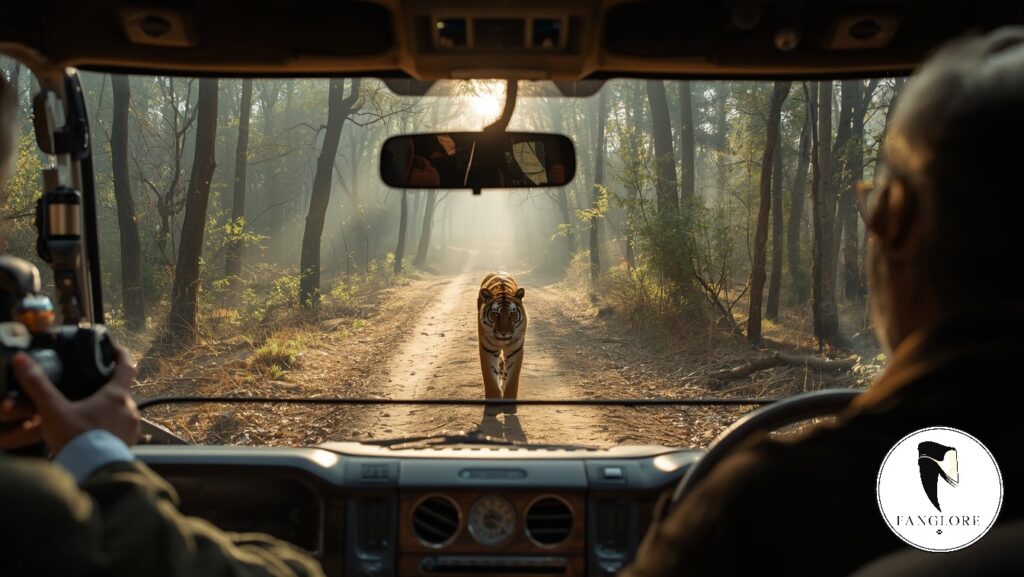
She became exceptionally confident around safari vehicles—not because she was tame, but because she had learned that vehicles posed no threat. This behavior allowed photographers to capture some of the most iconic tiger images ever taken in India.
A Remarkable Mother
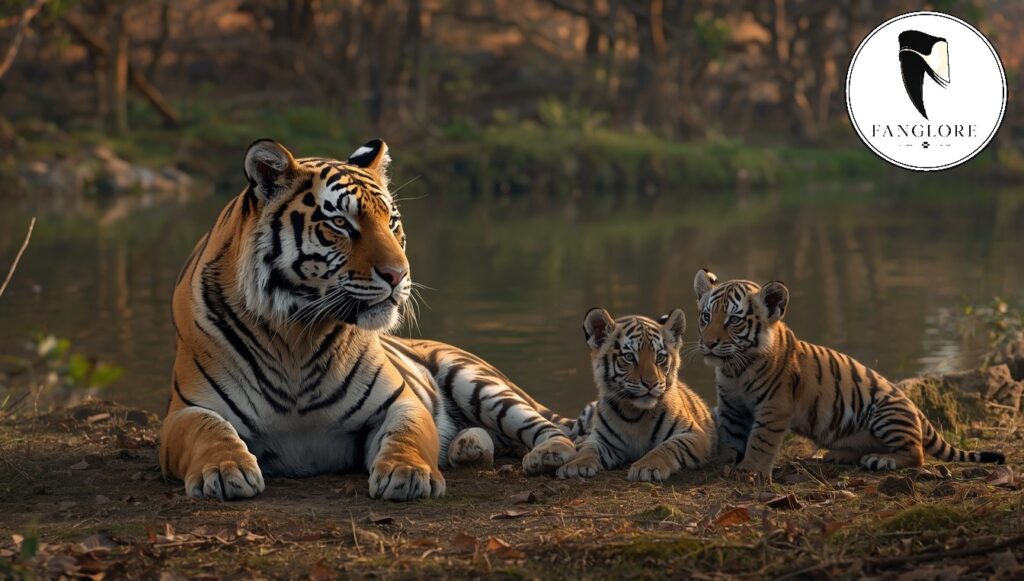
Machli was not only an outstanding hunter but also an exceptional mother.
Throughout her lifetime, she gave birth to 11 cubs, many of whom survived to adulthood and established territories of their own.
Several of her daughters became successful tigresses, helping expand Ranthambore’s tiger population during a crucial period for conservation.
Her genetic legacy continues today through multiple generations of descendants living in and around Ranthambore.
The Crocodile Battle That Made History
One event elevated Machli from a famous tiger to a wildlife legend.
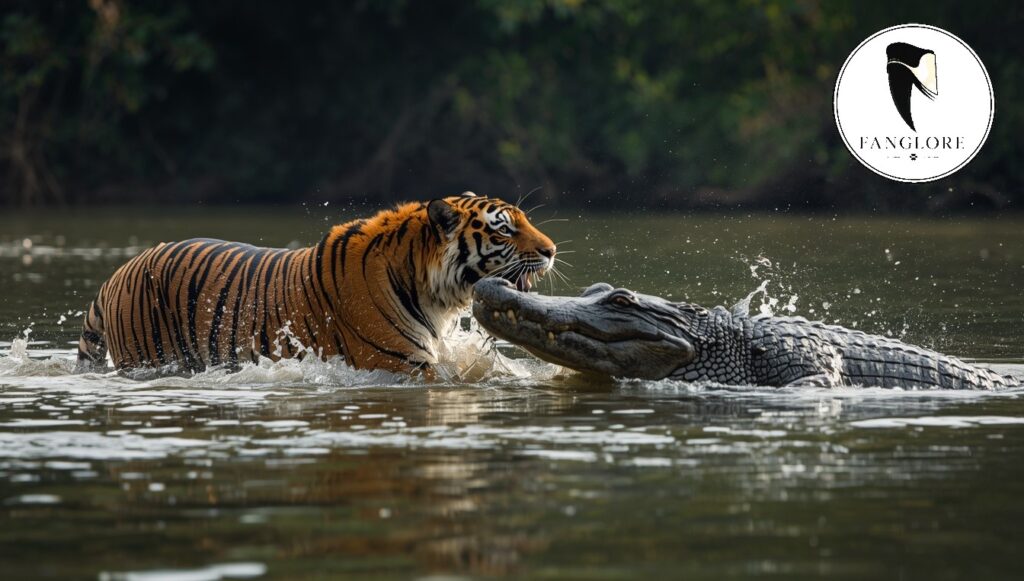
In 2003, photographers witnessed an astonishing confrontation between Machli and a massive mugger crocodile near the lakes of Ranthambore.
The crocodile reportedly measured over 4 meters (13 feet) long.
During the fierce struggle, Machli suffered injuries but ultimately managed to overpower and kill the crocodile—a feat almost unheard of for a tiger.
Images and documentaries of this incredible battle spread worldwide, cementing her reputation as one of the bravest wild tigers ever recorded.
A Global Wildlife Celebrity
Machli became one of the most recognizable tigers on Earth.
She appeared in:
- BBC wildlife documentaries
- National Geographic productions
- Discovery Channel programs
- Countless wildlife magazines
- International photography exhibitions
Her fame helped introduce millions of people to India’s tiger conservation efforts.
Many wildlife photographers considered spotting Machli the highlight of their careers.
The Economics of One Tiger
Machli wasn’t just famous—she was economically important.
Experts estimate that she generated millions of dollars in tourism revenue over her lifetime by attracting visitors from around the world.
Hotels, safari operators, guides, local drivers, restaurants, and nearby communities all benefited from the influx of tourists eager to see the legendary tigress.
She demonstrated how conserving apex predators can also support local economies.
Life in Old Age
As Machli aged, hunting became increasingly difficult.
She gradually lost several canine teeth and became slower than younger tigers.
Recognizing her iconic status, forest officials closely monitored her health while allowing nature to take its course.
Despite her advanced age, she remained one of Ranthambore’s most beloved residents.
Farewell to a Legend
Machli passed away naturally on August 18, 2016, at approximately 19 years of age, making her one of the oldest known wild Bengal tigresses.
Her death received international media coverage.
Wildlife lovers across the world mourned the loss of an animal that had become a symbol of India’s conservation success.
Although she is gone, her descendants continue to roam the forests of Ranthambore.
Machli’s Lasting Legacy
Machli’s story extends beyond one remarkable tiger.
Her life demonstrated:
- The importance of protecting tiger habitats.
- The value of wildlife tourism.
- How one individual animal can inspire conservation.
- The resilience and intelligence of Bengal tigers.
- The ecological significance of apex predators.
Today, every tiger seen in Ranthambore owes something to the conservation efforts that Machli helped inspire.
Interesting Facts About Machli
- She was born around 1997.
- Her name came from a fish-shaped marking above her left eye.
- She gave birth to 11 cubs.
- She became famous after killing a large mugger crocodile.
- She appeared in numerous international wildlife documentaries.
- She was nicknamed the Queen of Ranthambore.
- She lived to around 19 years, an exceptional age for a wild tiger.
- Her descendants still inhabit Ranthambore today.
Conclusion
Machli was far more than a tiger. She was a conservation ambassador, a devoted mother, a fearless hunter, and the face of Ranthambore Tiger Reserve for nearly two decades. Her remarkable life helped change how the world viewed India’s wild tigers, proving that protecting these magnificent animals benefits not only biodiversity but also local communities and future generations.
Even years after her passing, the legend of Machli continues to inspire wildlife lovers, reminding us that one extraordinary animal can leave an unforgettable mark on history.
Leave a Reply