
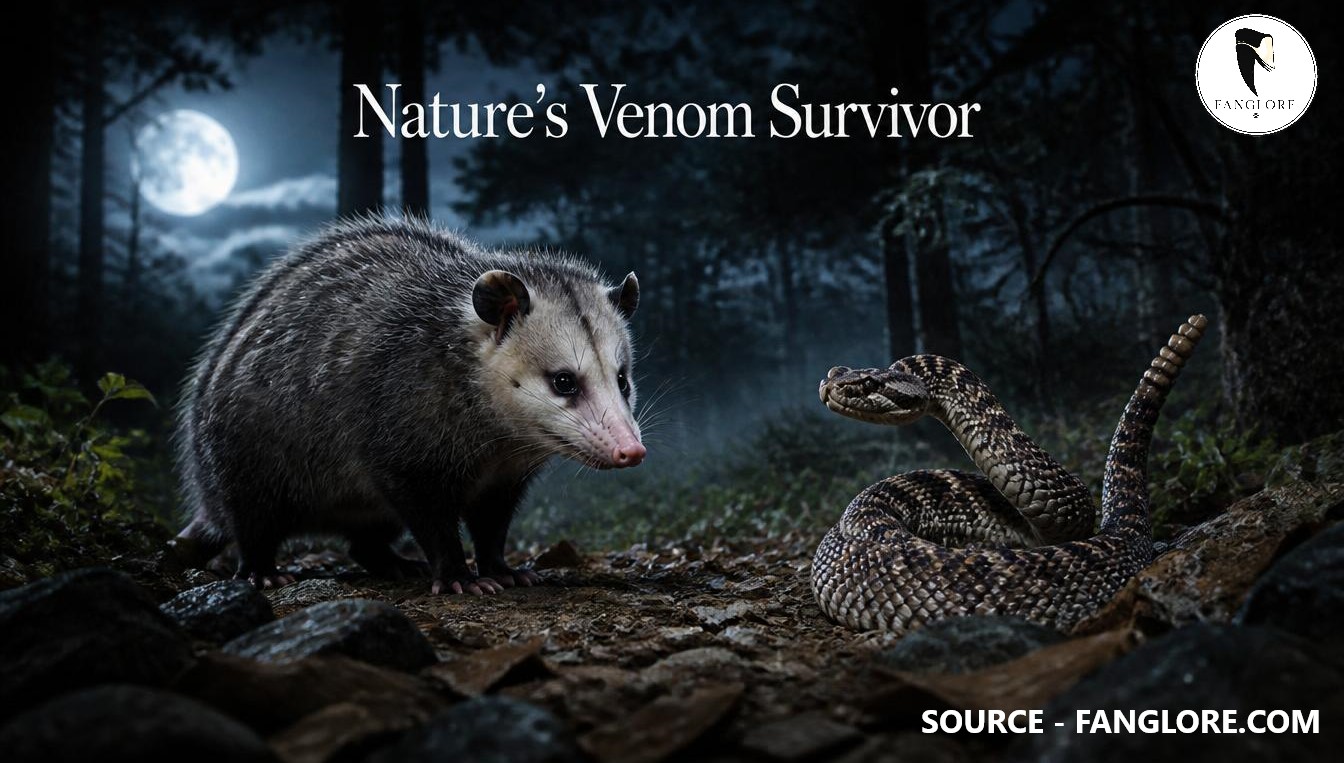
What if one of nature’s most misunderstood animals held the key to a universal snake antivenom?
For decades, opossums have been unfairly dismissed as strange-looking scavengers. But beneath their humble appearance lies one of the most remarkable survival abilities in the animal kingdom. These nocturnal marsupials can withstand repeated bites from some of North America’s deadliest snakes, including rattlesnakes and coral snakes. Their unique biology has even inspired scientists to develop a promising, low-cost treatment for snakebite victims around the world.
And that’s not all—opossums are also excellent tick predators and are naturally resistant to rabies, making them surprisingly beneficial neighbors.
The Viral Claim: Can Opossums Really Survive Dozens of Snake Bites?
The internet often claims that opossums can survive up to 80 rattlesnake or coral snake bites. While the exact number isn’t backed by scientific experiments, there is a fascinating truth behind the headline.
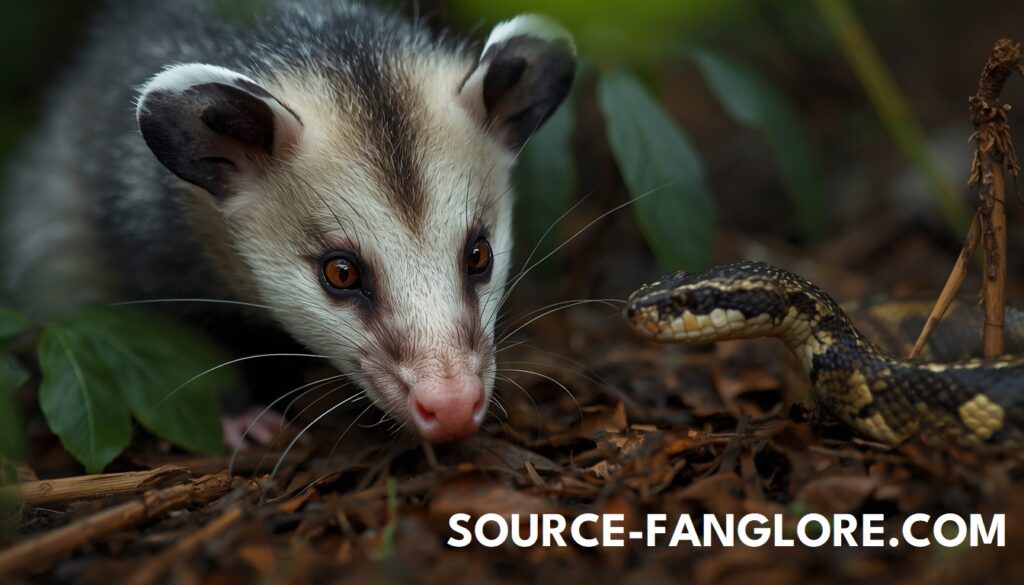
Researchers have repeatedly demonstrated that opossums possess an extraordinary natural resistance to many snake venoms, especially those produced by pit vipers like rattlesnakes. Their blood contains specialized proteins that neutralize toxins before they can cause severe damage.
This doesn’t make opossums completely invincible, and no one has intentionally tested dozens of consecutive bites. However, compared to most mammals of similar size, they possess an astonishing level of protection.
The Science Behind Their Venom Resistance
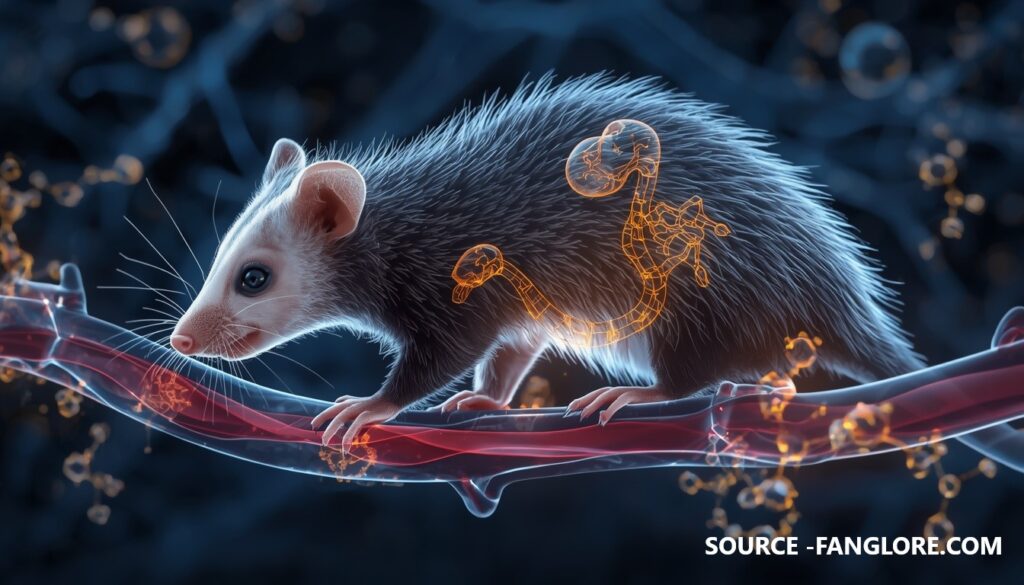
Scientists discovered that opossums produce a naturally occurring protein capable of binding to dangerous toxins found in snake venom.
Instead of allowing the toxins to destroy tissue or disrupt blood clotting, this protein helps neutralize them before significant damage occurs.
Researchers eventually isolated a tiny peptide derived from this protective protein, known as LT10, which has shown impressive results in laboratory studies against multiple snake venoms.
Unlike traditional antivenoms, which are produced by injecting venom into horses or sheep and harvesting antibodies, peptide-based treatments could be:
- Much cheaper to manufacture
- Easier to transport
- More stable without refrigeration
- Effective against multiple snake species
- Faster to administer in remote areas
Although still undergoing further research and development, the discovery has generated considerable excitement among toxin experts.
Why Better Antivenoms Matter
Snakebite envenoming is one of the world’s most neglected tropical health problems.
According to the World Health Organization:
- Millions of people are bitten each year.
- Hundreds of thousands suffer permanent disability.
- Tens of thousands die annually.
- Many victims live in rural regions where expensive antivenoms are difficult to obtain.
Current antivenoms are life-saving but come with challenges:
- High production costs
- Limited availability
- Species-specific effectiveness
- Risk of allergic reactions
- Cold storage requirements
An inexpensive universal treatment inspired by opossums could dramatically improve access to life-saving care worldwide.
This post contains affiliate links. As an Amazon Associate, I earn from qualifying purchases.
Do Opossums Really Eat Ticks?
This is one of the internet’s most repeated claims—but the evidence is more complicated.
For years, people believed a single opossum could consume thousands of ticks every season while grooming itself. That idea originated from one influential study.
However, later research challenged those findings and suggested opossums may eat far fewer ticks than previously estimated.
Even so, opossums are opportunistic feeders. Their diet includes:
- Insects
- Beetles
- Snails
- Slugs
- Rodents
- Carrion
- Fruits
- Eggs
- Occasionally ticks when encountered
So while they may not be the “tick vacuum cleaners” they’re often portrayed as, they still contribute to natural pest control.
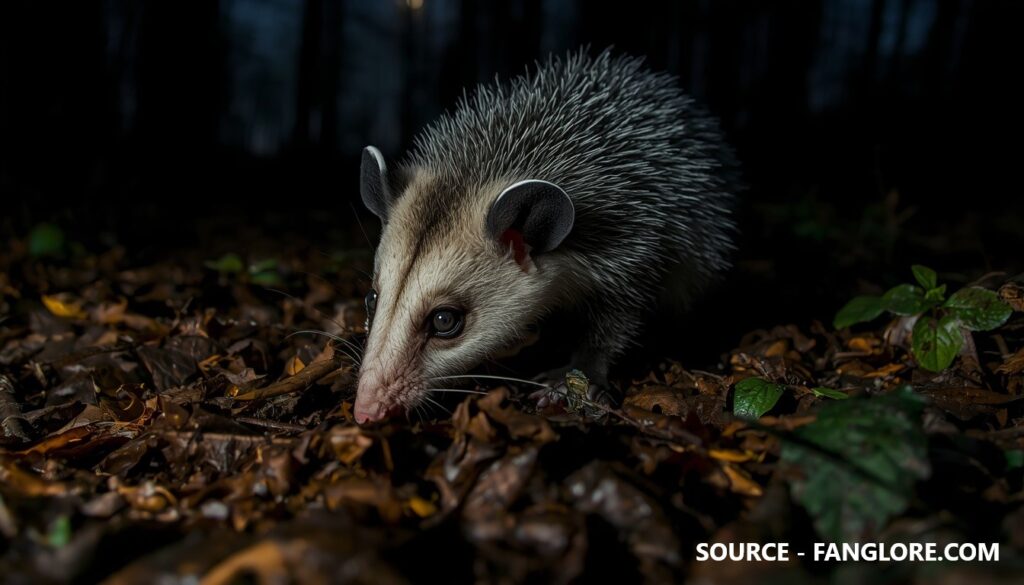
Why Opossums Rarely Get Rabies
Another widespread fact about opossums is largely true.
Opossums have a relatively low incidence of rabies compared to many other wild mammals.
Scientists believe one major reason is their naturally low body temperature, which may make it harder for the rabies virus to replicate efficiently.
That doesn’t mean they can never become infected—they can—but documented cases are exceptionally uncommon compared with animals like raccoons, foxes, skunks, or bats.
In general, opossums are far less likely to transmit rabies than many people assume.
More Than Just “Playing Dead”
When threatened, opossums are famous for “playing dead,” but this isn’t an intentional performance.
The behavior, known as thanatosis, is an involuntary stress response.
During this state they may:
- Collapse onto their side
- Become completely limp
- Drool excessively
- Release a foul-smelling odor
- Remain motionless for several minutes or even hours
Many predators lose interest because they prefer live prey.
It’s one of nature’s most convincing survival strategies.
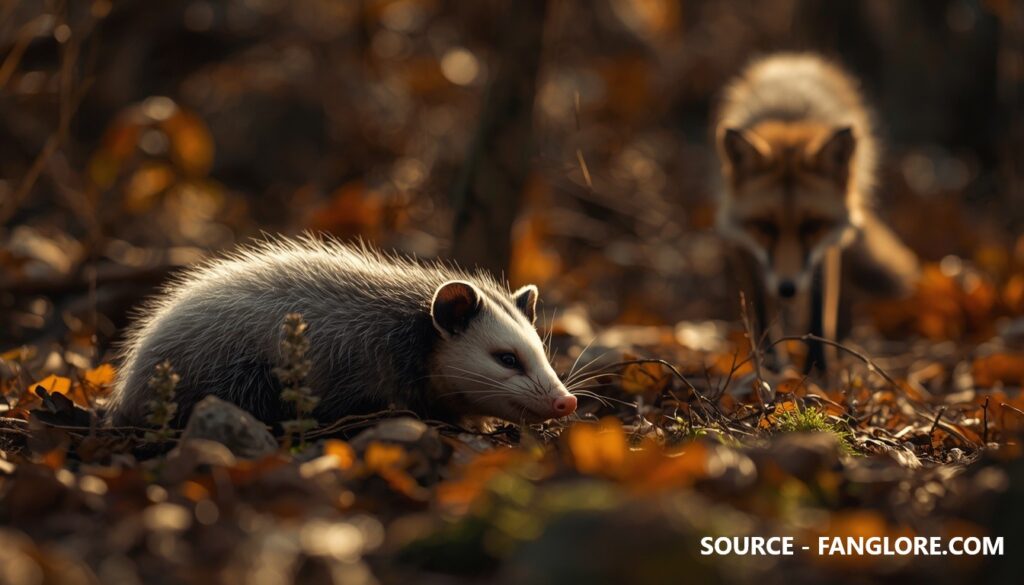
Why We Should Appreciate Opossums
Despite their unusual appearance, opossums perform valuable ecological roles.
They help by:
- Consuming insects and agricultural pests
- Cleaning up carrion
- Dispersing seeds
- Serving as prey for larger predators
- Providing scientists with valuable insights into venom resistance
Perhaps most importantly, they remind us that groundbreaking medical discoveries sometimes come from the most unexpected places.
Final Thoughts
The claim that opossums can survive 80 snake bites is best viewed as an exaggerated way of highlighting a genuine biological marvel. Their remarkable resistance to venom is real, and it has already inspired research into a new generation of affordable, broad-spectrum antivenoms that could save countless lives.
Meanwhile, their low susceptibility to rabies and role in natural ecosystems make them far more valuable than their reputation suggests.
The next time you spot an opossum shuffling through the night, remember—you may be looking at one of nature’s most underrated survivors, and perhaps an unlikely hero in the future of medicine.
Check out our previous posts
The Orca Attack That Emptied California’s Shark Capital: The Farallon Islands Mystery
The Girl guarded by a Pride of Lions – Ethiopia’s Most Incredible Wildlife Story
Leave a Reply