
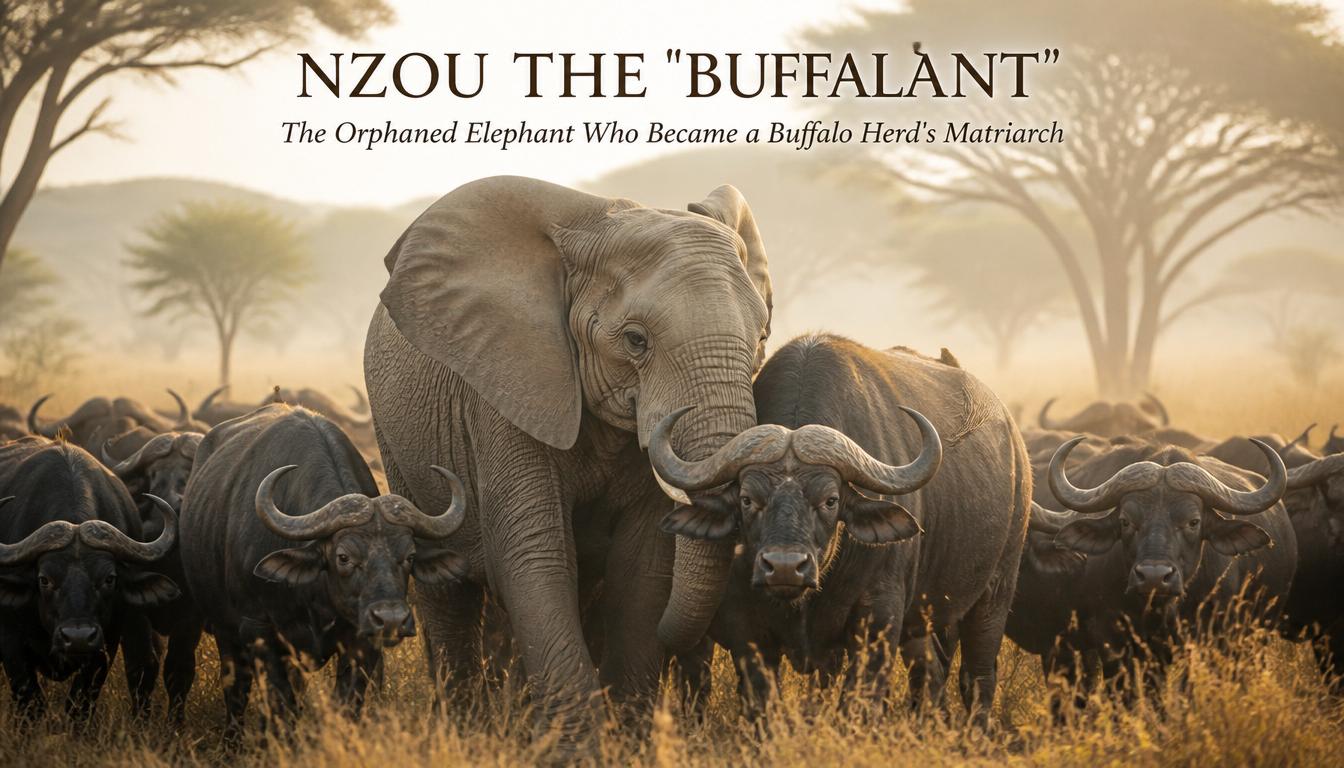
Nzou the “Buffalant”: Meet the Orphaned Elephant Who Rules a Herd of Buffalo
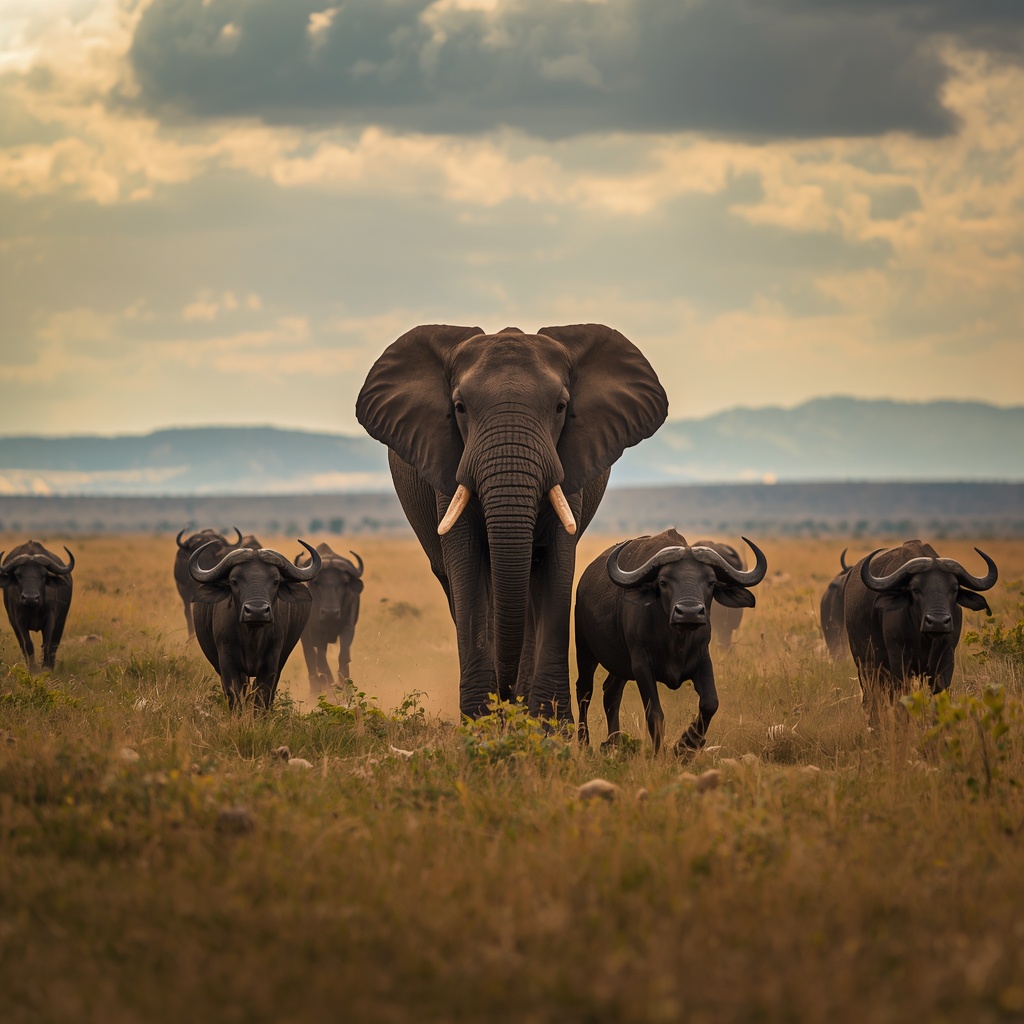
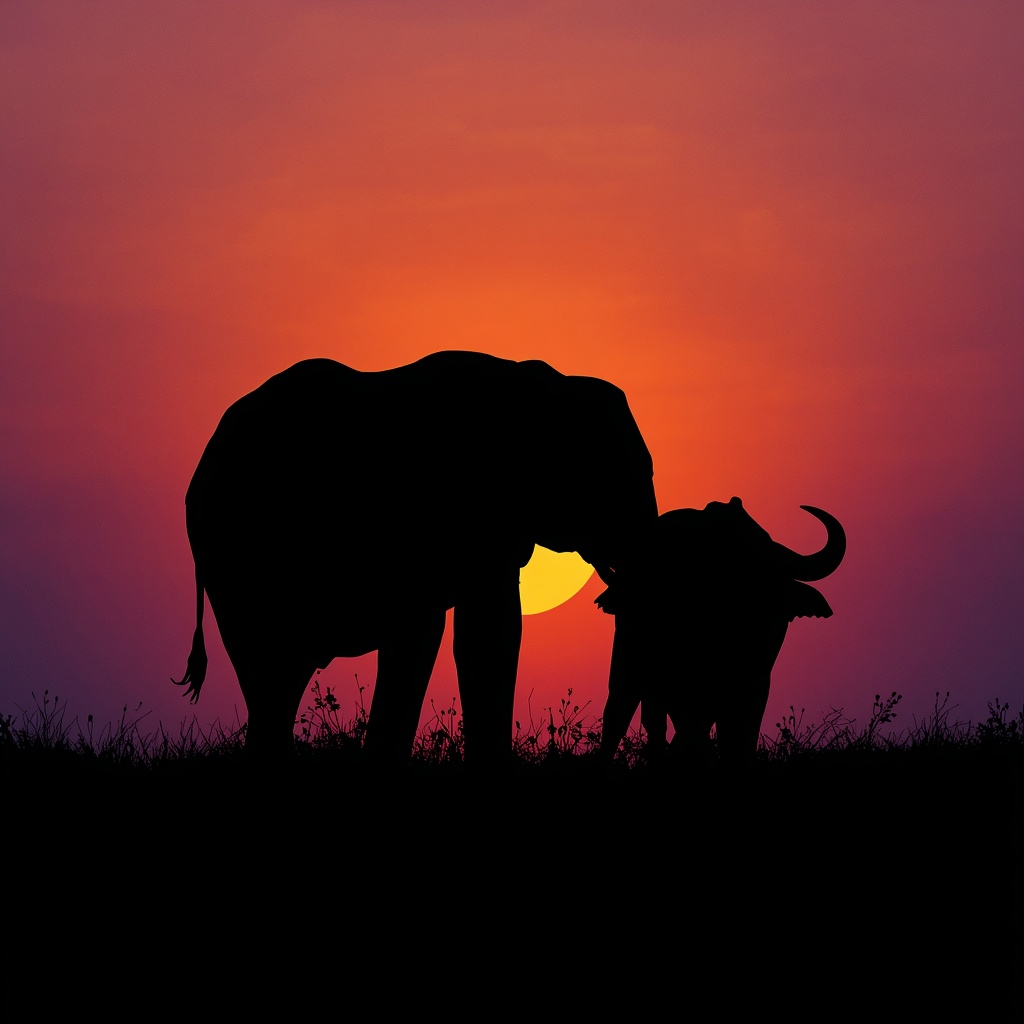
In the rolling bush of Zimbabwe’s Imire Rhino & Wildlife Conservation, there’s a matriarch who breaks every rule in the animal kingdom’s book. From blogs to social media she has captured hearts of thousands of people. She’s an African elephant, but she doesn’t live with elephants. She leads, disciplines, and protects a herd of Cape buffalo instead — and has done so for more than four decades. Her name is Nzou, or “Nzou the Elephant” and her story is one of the strangest and most touching cases of cross-species bonding ever documented in the wild.
Who Is Nzou?
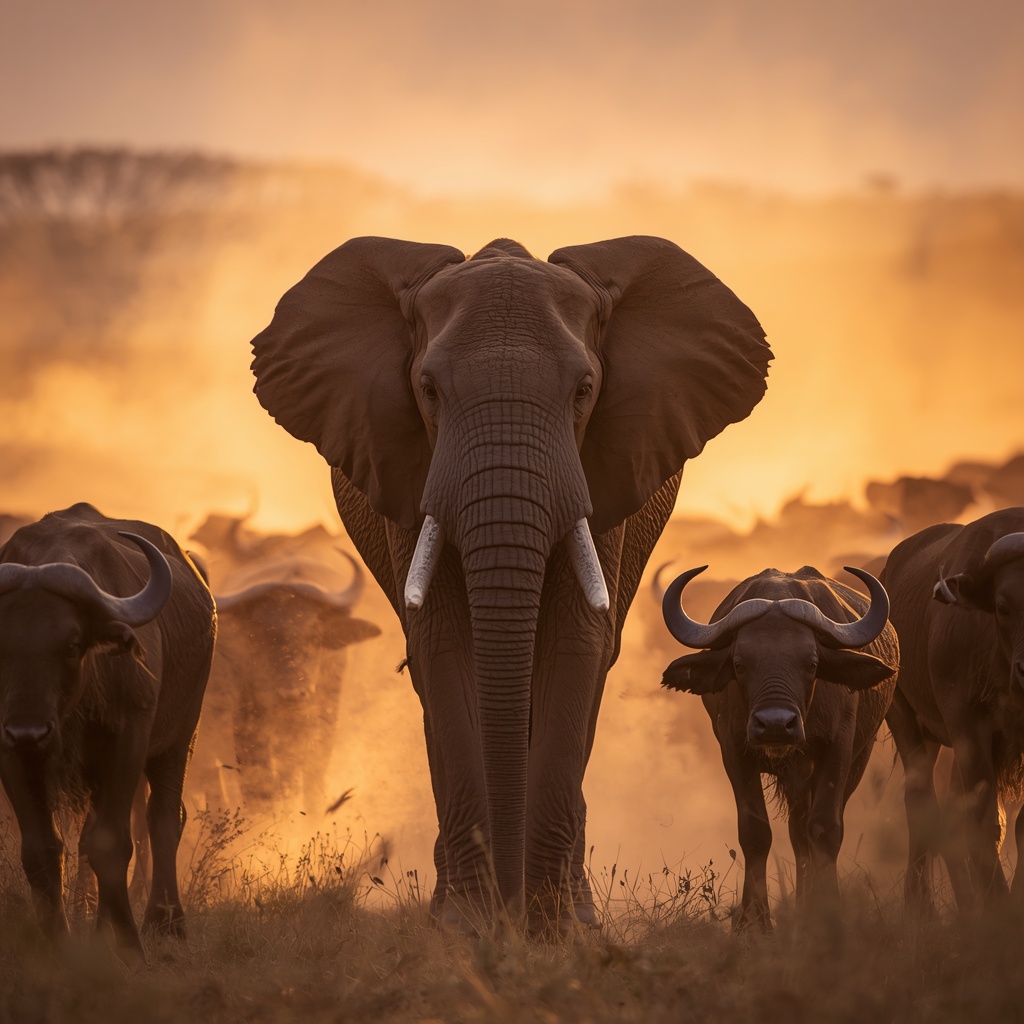
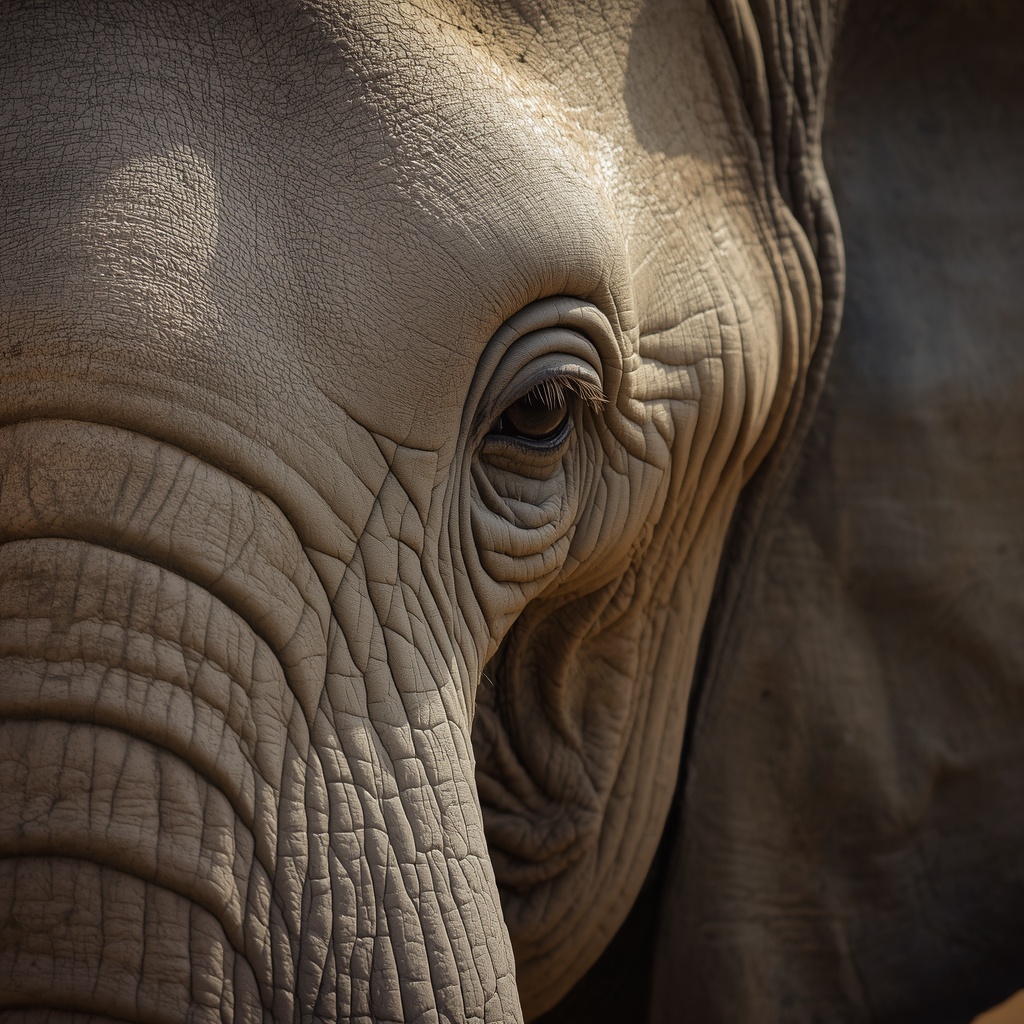
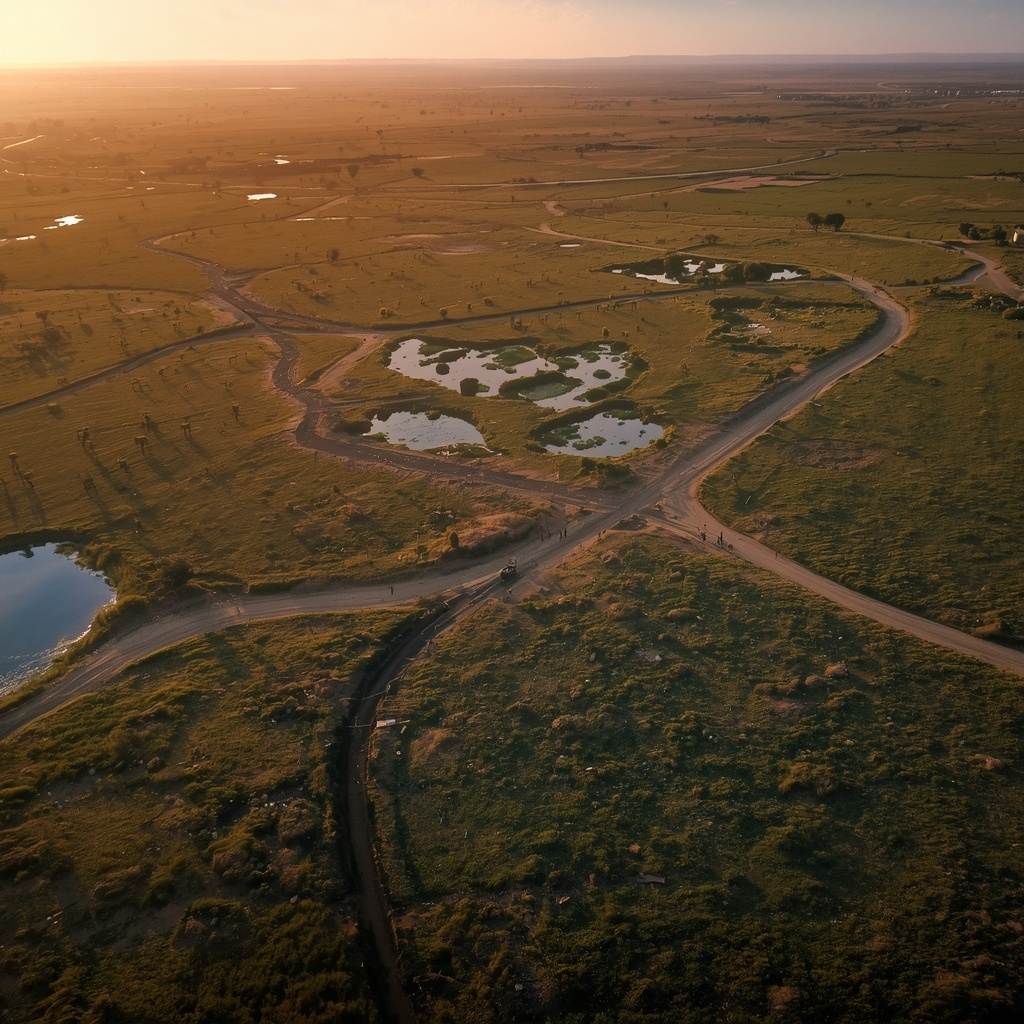
Nzou — a Shona word that simply means “elephant” — is a female African savanna elephant living at Imire, a conservancy in Wedza, Zimbabwe, dedicated to rhino and elephant protection. Depending on the source, she’s now somewhere between 53 and 60 years old, making her one of the oldest elephants under human care in the region and, without question, the most unusual matriarch on the property. Her age is a matter of speculation as various sources has different figures.
Locals and conservationists have nicknamed her a “buffalant” — part buffalo, part elephant — because of the identity she’s built for herself over a lifetime spent almost entirely away from her own kind. While most of us has always believed elephant are very social and honorable creatures and live by their herd.
An Orphan of the Poaching Crisis
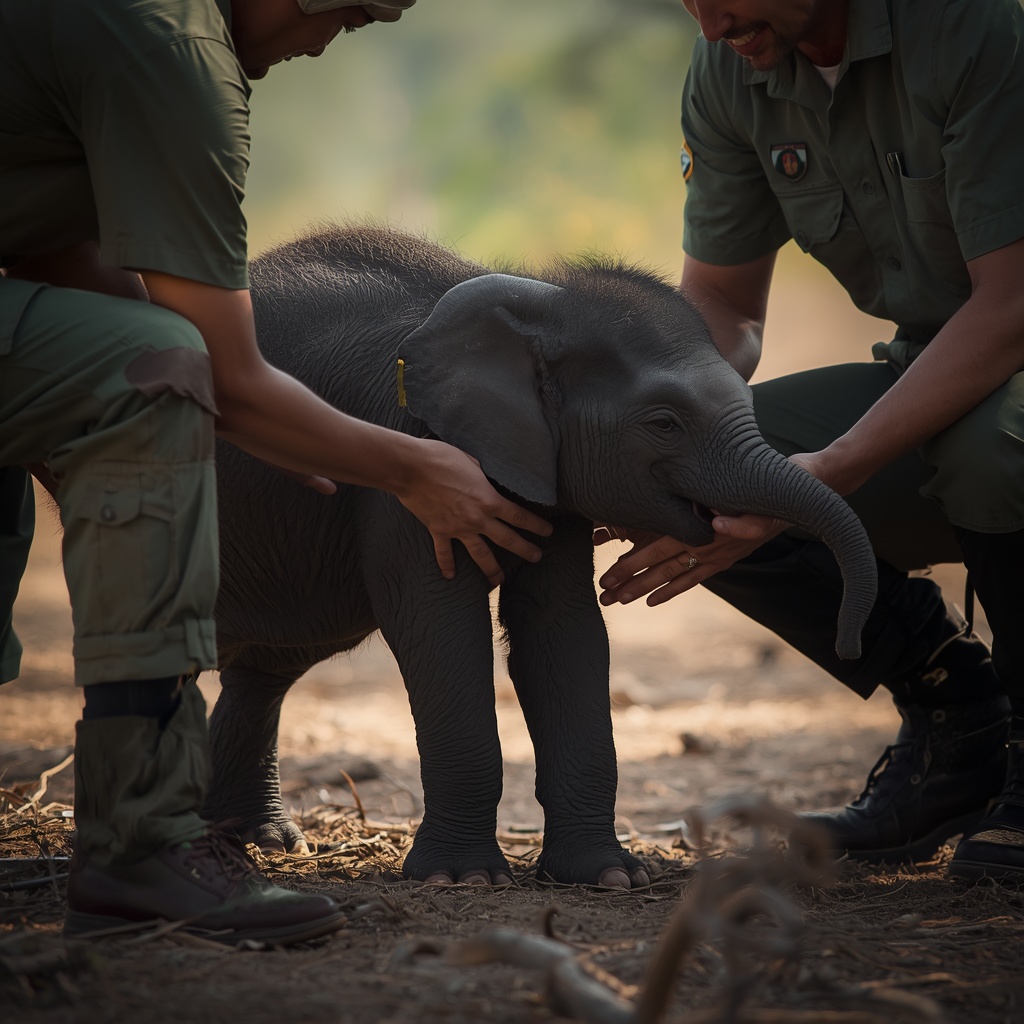
Nzou’s story starts in tragedy, a reality that continues to define elephant conservation across Africa today. She was found as a two-year-old calf in Zimbabwe’s lowveld after poachers killed her family for ivory, a crisis that has devastated elephant populations across the continent for decades. Rescuers brought her to Imire, hoping to eventually reintroduce her to the conservancy’s small elephant family. But destiny has her own plans for Nzou.
At the time, the largest herd animals at Imire were Cape buffalo, and young Nzou was placed alongside them for company and protection while she grew. By the time keepers tried to properly integrate her with elephants later on, she’d already bonded so closely with the buffalo that she never looked back.
The Matriarch Who Doesn’t Play by Elephant Rules
In a normal elephant herd, a female wouldn’t typically rise to matriarch status until well into her 40s. Nzou skipped that timeline entirely. Among her buffalo, she took charge early and has held her position for more than 40 years. A remarkable feat on its own.
Cape buffalo herds are normally structured around dominant bulls, not one all-powerful female. That’s created an ongoing power struggle that has turned genuinely dangerous at times. Over four decades, young male buffalo have repeatedly challenged Nzou’s leadership — and lost. Across her reign, she has killed 14 bulls who tried to unseat her, a stark reminder that despite her surrogate identity, she remains an elephant several times the size and strength of any buffalo in the herd.
Because of this, conservancy staff now keep large bulls and young calves separated from her group for their own safety, while the rest of the herd follows her lead without question — even responding to her low-frequency rumbles the way elephants communicate with one another.
She Still Has an Elephant’s Heart
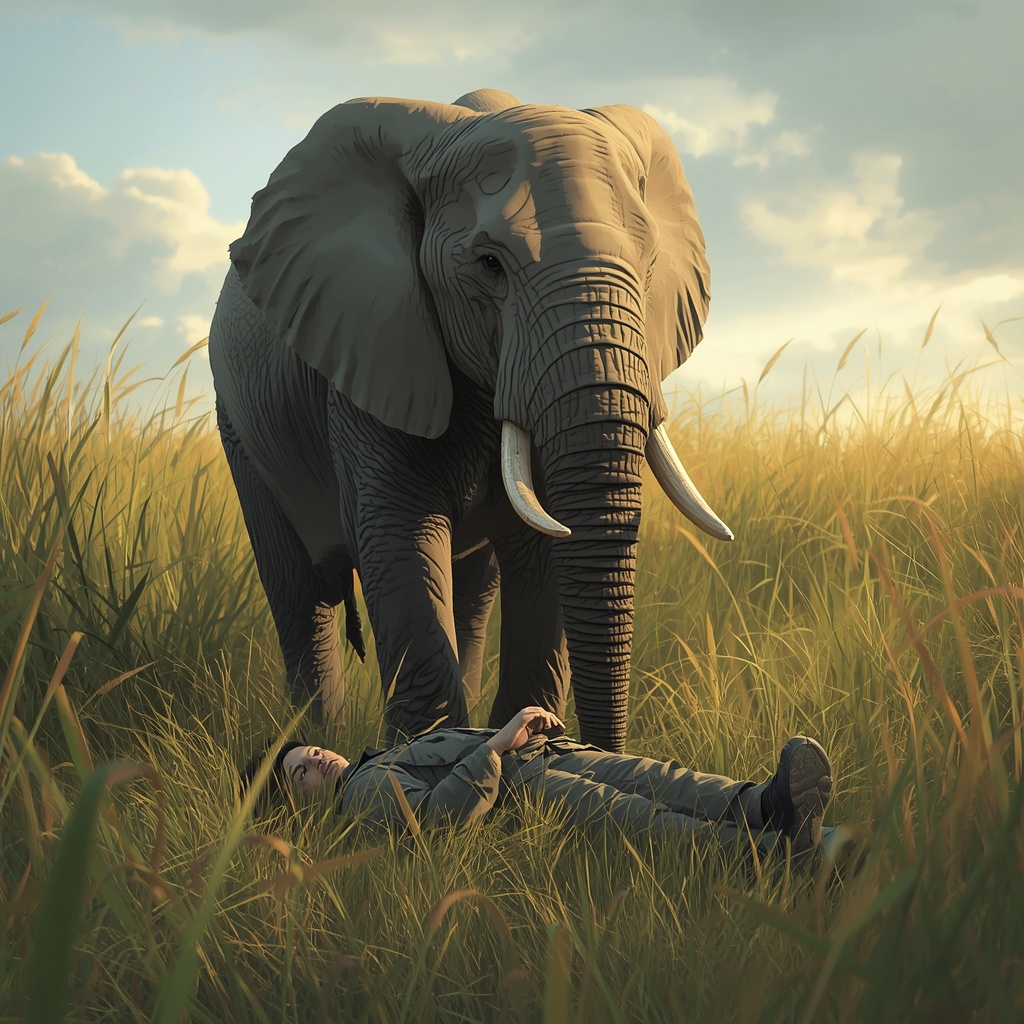
For all her buffalo instincts, Nzou hasn’t lost the traits that make elephants famous the world over: loyalty and protectiveness. In one widely shared account from her keepers, a young bull buffalo charged and seriously injured one of Nzou’s human handlers. Nzou immediately positioned her body over him, standing guard and holding off further attacks until help arrived. It really emphasis that no matter the upbringing elephants are one of the most loyal and protective animal of the wild.
It’s a moment that captures exactly why her story resonates with people far beyond Zimbabwe: an animal who abandoned her own species’ social world, yet still carries an elephant’s instinct to protect the ones she considers family.
From Local Legend to Global Fame
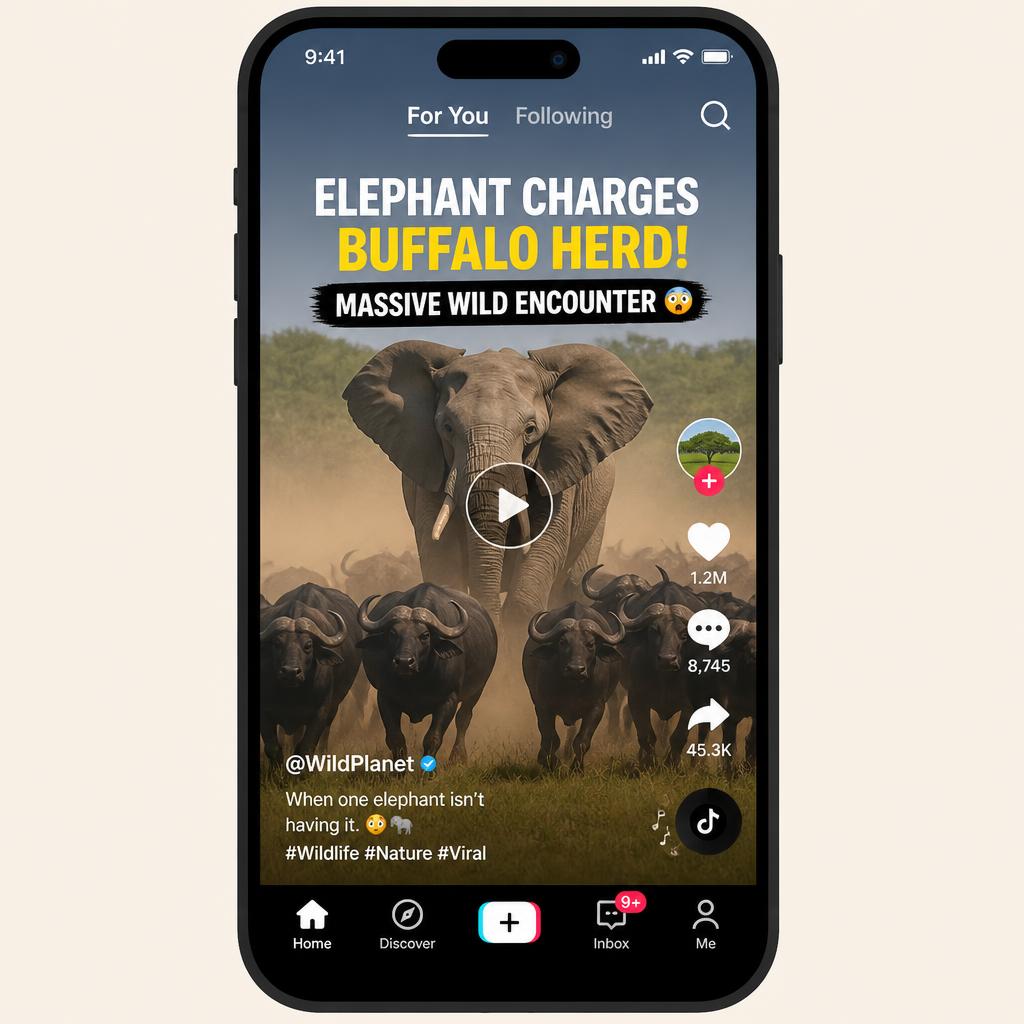
For years, Nzou was mostly known to guests who visited Imire in person or followed the conservancy’s own updates. That changed in 2023, when she was featured in National Geographic’s docuseries Secrets of the Elephants, narrated by Natalie Portman, which introduced her unlikely story to a worldwide audience. Since then, short clips and reels about the “elephant who thinks she’s a buffalo” have circulated widely across social media, turning Nzou into something of an internet phenomenon. People from all over the internet are amazed by the story of “Nzou the elephant”.
The renewed attention has also brought more scrutiny of the details. Some coverage of her story has simplified or dramatized parts of it — for instance, suggesting she still lives wild in the bush, when in reality she has spent virtually her entire life within the Imire conservancy under the care of its rangers.
Why Nzou’s Story Matters
Nzou’s life is often told as a heartwarming oddity, and it certainly is that. But it’s also a quiet case study in animal behavior and resilience: proof that social identity in highly intelligent species isn’t always fixed by biology alone. An elephant separated from her kind at a formative age didn’t simply become isolated — she rebuilt a family structure from the material available to her, dominance conflicts and all.
It’s also a reminder of the cost of poaching that made her story possible in the first place. Every “feel-good” detail of Nzou’s life traces back to the loss of her original family, underscoring why conservancies like Imire continue working to protect Africa’s elephants and rhinos from the same fate. It greatly emphasizes on the fact that animals who are killed by poaching are not the only victims who lose something.
FAQ: Nzou the Elephant
How old is Nzou the elephant?
Estimates place her between 53 and roughly 60 years old, depending on the source, making her the oldest elephant at Imire Conservancy.
Why does Nzou live with buffalo instead of elephants?
She was orphaned as a two-year-old after poachers killed her family, and was raised alongside Imire’s buffalo herd. By the time caretakers attempted to integrate her with the conservancy’s elephants, she had already bonded with the buffalo and never fully adjusted to elephant social life.
How many buffalo has Nzou killed?
Across more than 40 years leading the herd, she has killed 14 young male buffalo who challenged her position as matriarch.
Is Nzou dangerous to visitors?
Imire’s rangers manage close encounters carefully, and large bulls and calves are kept apart from her herd. She has also shown clear protective loyalty toward her human handlers.
Where can I see Nzou?
She lives at Imire Rhino & Wildlife Conservation in Wedza, Zimbabwe, which offers guided visits and volunteer programmes focused on rhino and elephant conservation.
Leave a Reply