
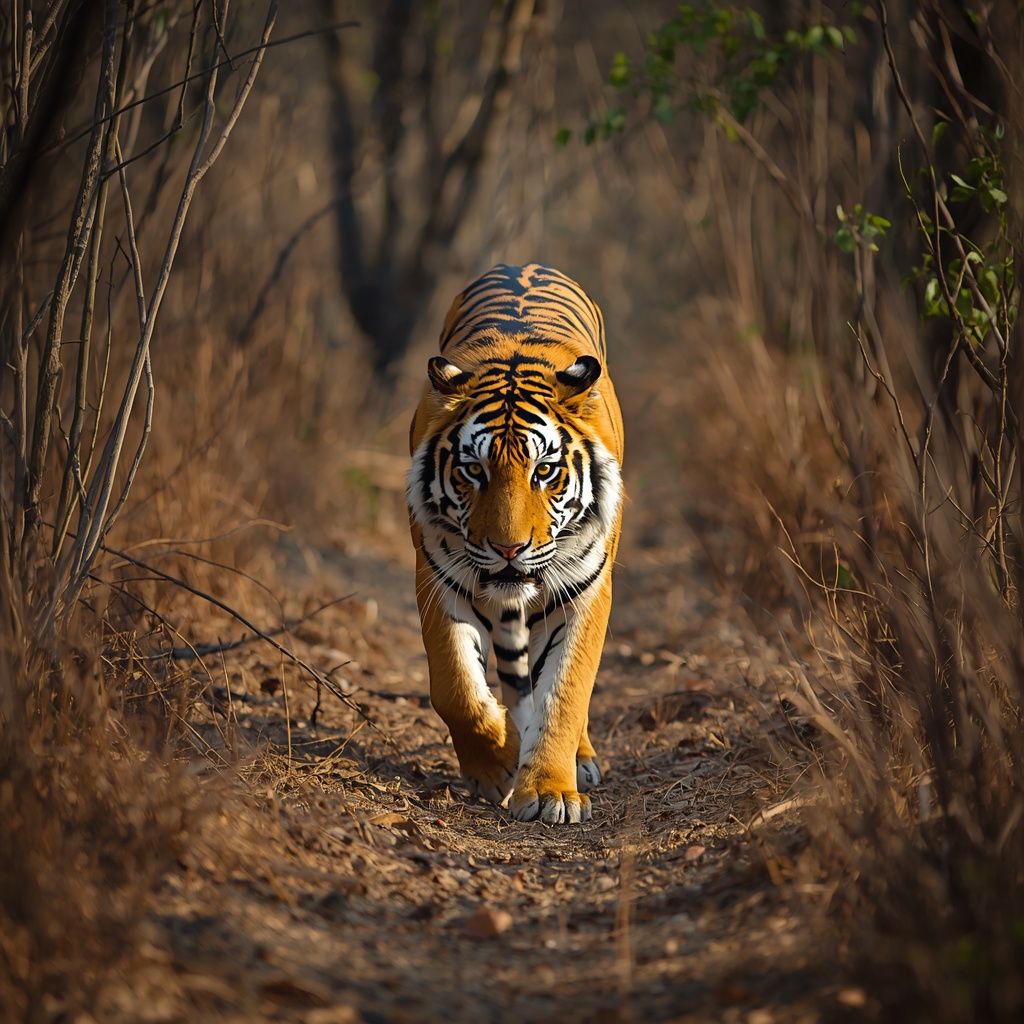
Deep in the dark forests of Tadoba-Andhari Tiger Reserve in Maharashtra, India, one tiger’s name carry all the weight than any other – Pancham. To all the wildlife photographers, tourists, and forest guides who set foot in this forest in Central India, Pancham was more than any tiger. He was a chapter of Tadoba’s living history and most controversial as well.
Who was Pancham?
Pancham was like any dominant male tiger with his massive size, striking looks, and an unusually bold, fearless temperament. Like many tigers who abhor human presence, Pancham was famously unfazed by jeeps, cameras, and crowds — often walking right past safari vehicles as if they didn’t exist. This made him the star of the show and an instant favorite among photographers, who travelled from across the country just for a chance to capture him in frame.
The Tragedy
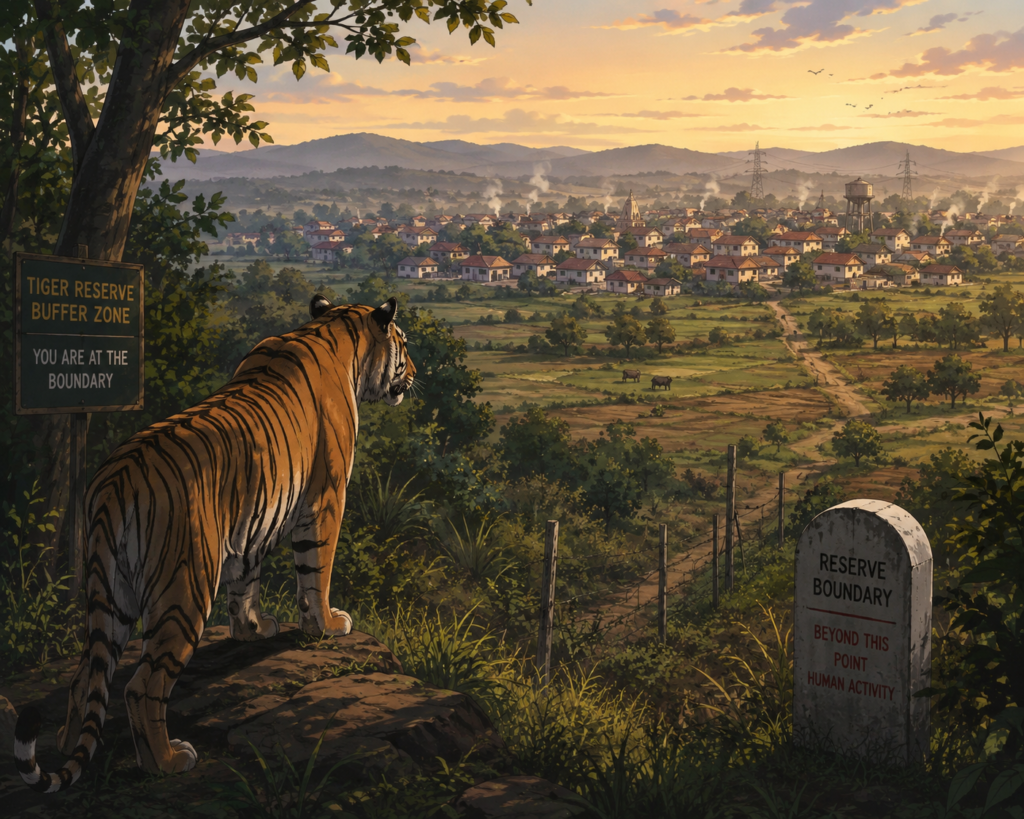
What’s most scary about Pancham is the series of attacks attributed to him. Over time, Pancham was linked to a series of attacks involving local villagers near the buffer zones of Tadoba, earning him the infamous title of “Man-Eater“. For forest officials, this became a dilemma: a tiger was simulataneously a star icon and a perceived threat to nearby communities.
The Problem
For a tiger or any big cat, its canines are its greatest strengths; they help in neutralizing a prey once it is in its grasp. They help with the grip and suffocation of the prey. Pancham’s hunter life changed drastically when his canine teeth were damaged due to unknown reasons.
Without functioning canines, every hunt was a challenge. A tiger that cannot efficiently bring down wild prey faces starvation.
Birth of the Man-Eater
Wildlife experts have long observed that weak, injured, old, or physically challenged big cats often finds humans to be a suitable prey.
Humans are slower, careless, and often encountered near villages, forest reserve borders. For a tiger struggling with broken canines, attacking humans is more of an adaptation than a preference.
Pancham is said to have eaten 8 people.
Pancham’s man-eater reputation led to his capture and removal from the reserve. Forest officials and experts concluded that he cannot survive independently in the wild. He was brought to rehabilitation facilities at Van Vihar National Park in Bhopal in 2020. He stayed there till 2022.
Vantara – New Beginning
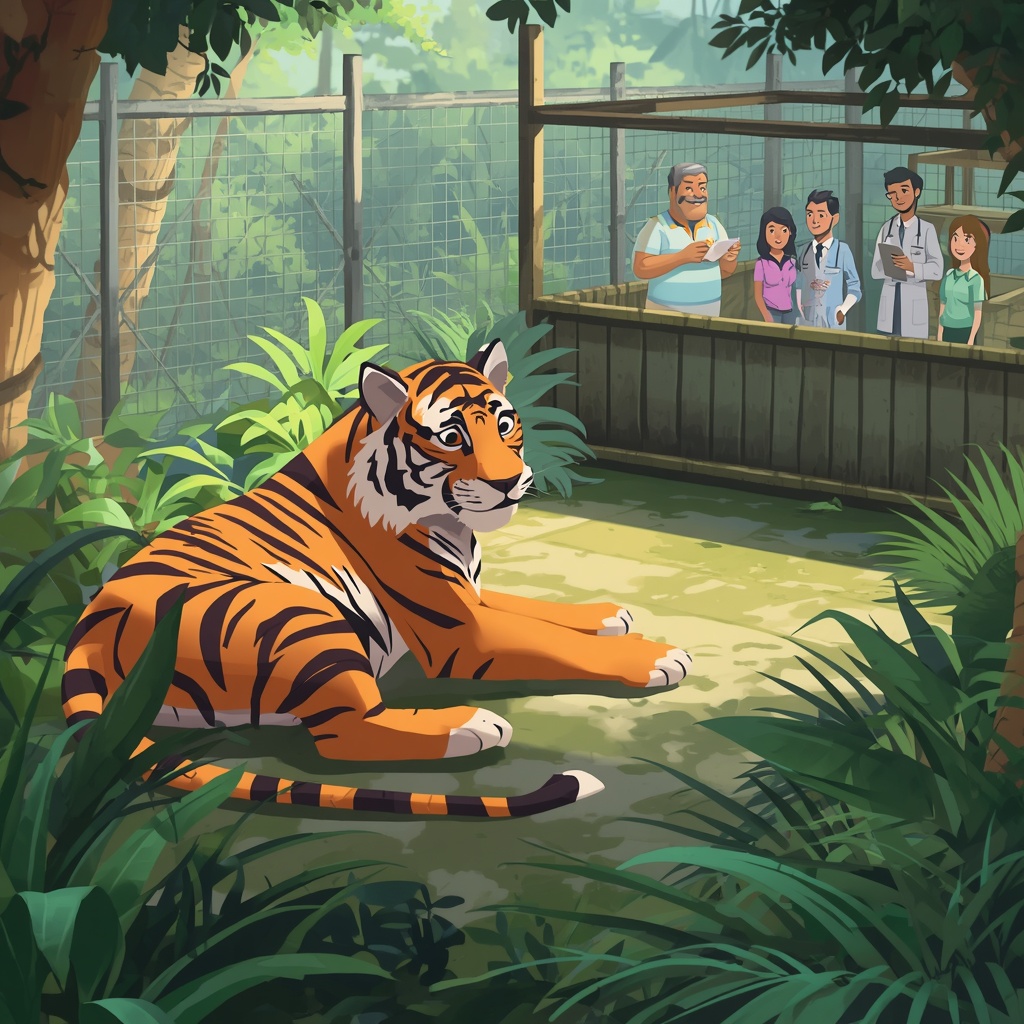
In 2022, Pancham was transferred from Van Vihar National Park to the Green Zoological Rescue and Rehabilitation Centre in Jamnagar, Gujarat—a facility that has since become part of the renowned Vantara wildlife rescue and rehabilitation initiative.
The sanctuary provides specialized care for various animals that cannot continue their life in the wild due to injuries, illness, or other circumstances.
What does Pancham’s story teach us?
Pancham’s story teaches us that wildlife conflicts are rarely simpler. It is, however, a real and well-documented pattern in man-eater cases broadly. Tigers that are injured or unable to hunt their natural prey due to old age may turn to easier targets, such as humans.
Pancham’s story isn’t really just about one tiger. It’s about the growing friction between expanding tiger populations and shrinking buffer zones, where villages and forests increasingly overlap.
That concludes our today’s coverage. Stay tuned for more.
Leave a Reply