
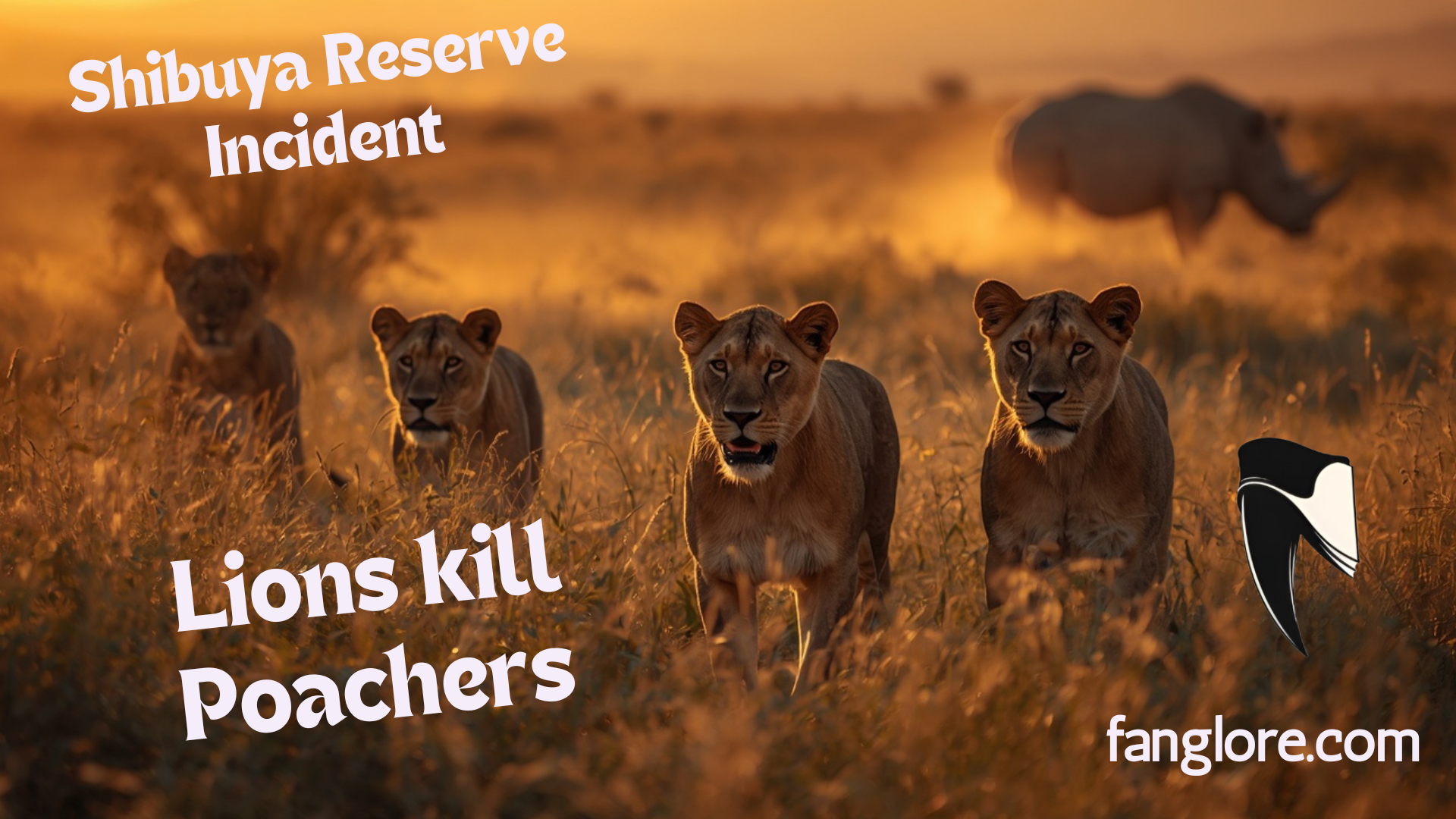
A deadly encounter in South Africa’s wilderness became one of the most talked-about conservation stories of the decade when suspected rhino poachers met an unexpected fate inside a lion enclosure.
When Predators Become the Protectors
The story is from July 2018, in a dramatic incident that stunned wildlife conservationists and captured global headlines, at least two suspected rhino poachers were killed and partially consumed by lions after entering a protected game reserve in South Africa.
The incident occurred at Sibuya Game Reserve, located near Kenton-on-Sea in South Africa’s Eastern Cape Province. Reserve staff discovered human remains inside a lion enclosure after reports of suspicious activity in the area.
According to reserve owner Nick Fox, the suspects are believed to have entered the reserve during the night, likely with the intention of targeting rhinos.
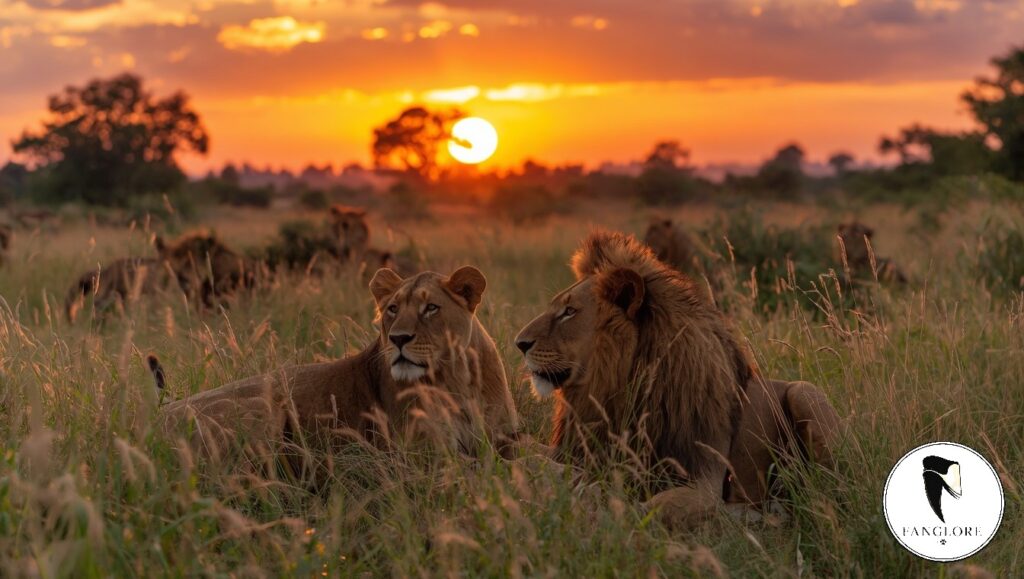
“They strayed into a pride of lions — it’s a big pride so they didn’t have too much time,” Fox told media outlets at the time.
The remains were found alongside equipment commonly associated with rhino poaching operations, including a high-powered hunting rifle fitted with a silencer, an axe, and wire cutters.
A Grim Discovery
Reserve anti-poaching personnel arrived at the scene after the remains were spotted during a routine patrol. The condition of the remains suggested the individuals had been attacked by a pride of lions before being largely consumed.
Officials initially believed the remains belonged to at least two people, though evidence suggested there may have been a third individual involved.
To safely recover the remains and conduct a forensic investigation, wildlife authorities reportedly had to tranquilize several lions from the pride.
Police also launched searches in surrounding areas in case any surviving accomplices had escaped the attack.
Why Rhino Poaching Remains a Global Crisis
While the circumstances of this incident were extraordinary, they highlight a much larger conservation battle.
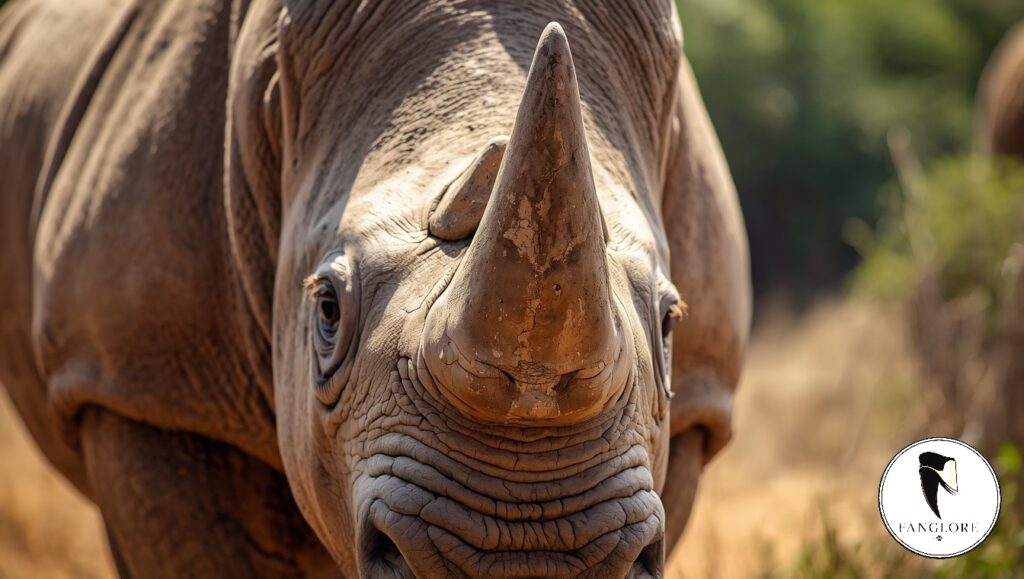
For decades, rhinos across Africa have faced relentless pressure from organized poaching syndicates driven by demand for rhino horn in parts of Asia. Despite scientific evidence proving otherwise, rhino horn continues to be falsely marketed in some regions as a traditional medicine or status symbol.
Rhino horn is composed primarily of keratin, the same protein found in human fingernails and hair. It possesses no proven medicinal properties.
South Africa’s Rhino War
South Africa remains home to the world’s largest rhino population, making it the epicenter of anti-poaching efforts.
At the time of the Sibuya incident, authorities reported that nine rhinos had already been killed by poachers in the Eastern Cape that year alone. More than 7,000 rhinos had been poached across South Africa during the preceding decade.
Since then, conservation efforts have intensified. Governments, private reserves, and international wildlife organizations have invested heavily in:
- Armed anti-poaching patrols
- Drone surveillance systems
- GPS tracking technologies
- Intelligence-led operations against trafficking networks
- Community conservation initiatives
These measures have helped reduce poaching rates compared to the record highs seen during the early 2010s.
Recent conservation reports indicate that South Africa continues to record hundreds of rhino poaching incidents annually, though numbers have fallen significantly from peak levels that once exceeded 1,200 rhinos killed in a single year. Nevertheless, illegal wildlife trafficking remains one of the most lucrative forms of organized environmental crime worldwide.
The Unforgiving Reality of the Wild
The deaths of the suspected poachers served as a stark reminder that protected wildlife reserves are not only home to endangered species but also to some of nature’s most formidable predators.
For conservationists, the story underscored the risks faced by those who illegally enter protected habitats. While anti-poaching units work tirelessly to defend vulnerable species, nature itself can sometimes deliver consequences that no one anticipates.
The lions involved in the incident were not acting as protectors of rhinos in any conscious sense—they were simply behaving according to their natural instincts as apex predators.
Yet the irony was impossible to ignore: individuals believed to be hunting one of Africa’s most threatened animals instead became prey themselves.
Lessons from Sibuya
The Sibuya incident remains one of the most extraordinary stories in modern wildlife conservation. It highlights the ongoing battle against illegal wildlife trafficking, the immense value of rhino protection programs, and the unpredictable power of nature.
As conservationists continue fighting to secure the future of Africa’s rhinos, the story stands as a powerful symbol of the dangers associated with poaching—and a reminder that the wild often writes its own ending.
Key Facts at a Glance
- Incident occurred at Sibuya Game Reserve near Kenton-on-Sea, South Africa.
- At least two suspected rhino poachers were killed and consumed by lions.
- A rifle with silencer, axe, and wire cutters were recovered at the scene.
- Reserve owner Nick Fox confirmed the suspects likely entered the reserve during the night.
- Several lions were tranquilized to allow recovery of the remains.
- The event occurred amid an ongoing rhino-poaching crisis affecting South Africa’s wildlife reserves.
Leave a Reply