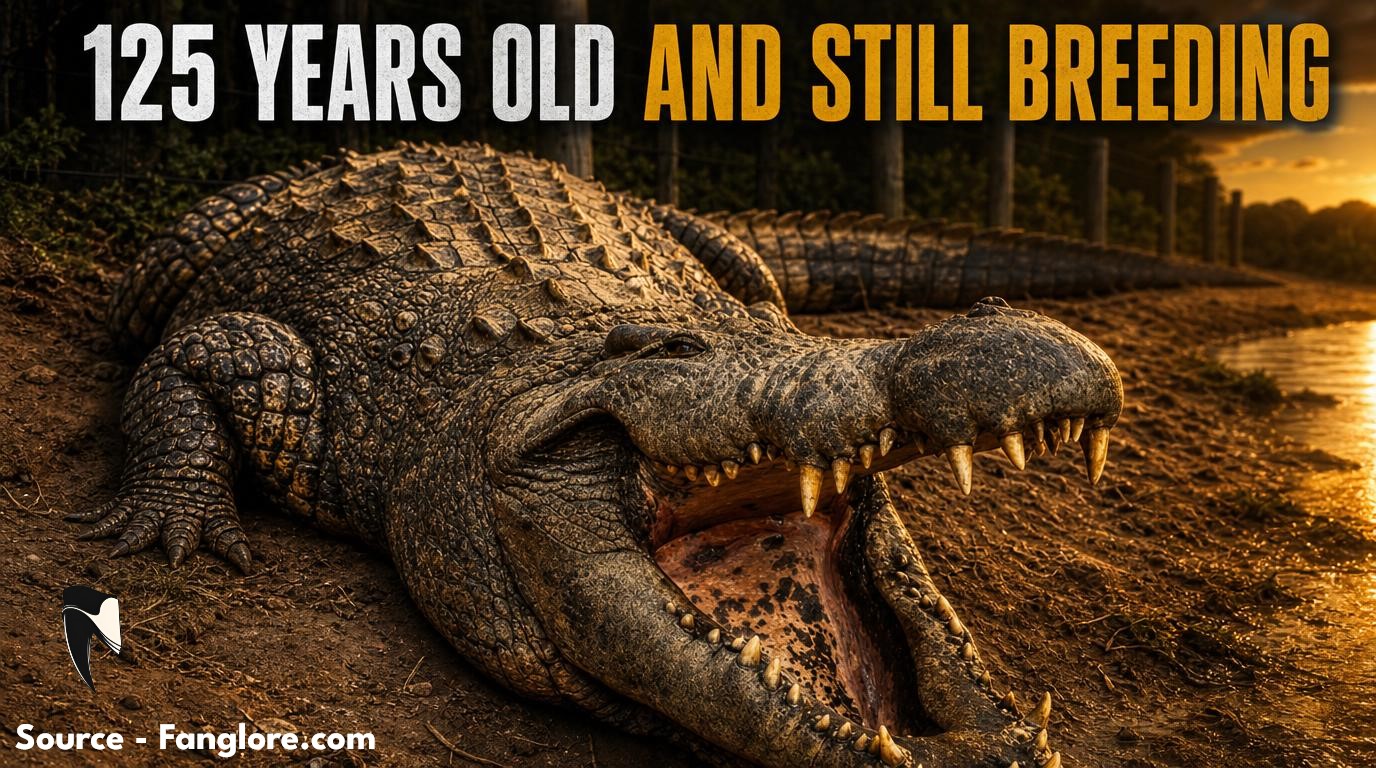
Some animals become famous for their size. Others for their strength. Henry became famous simply for refusing to die.
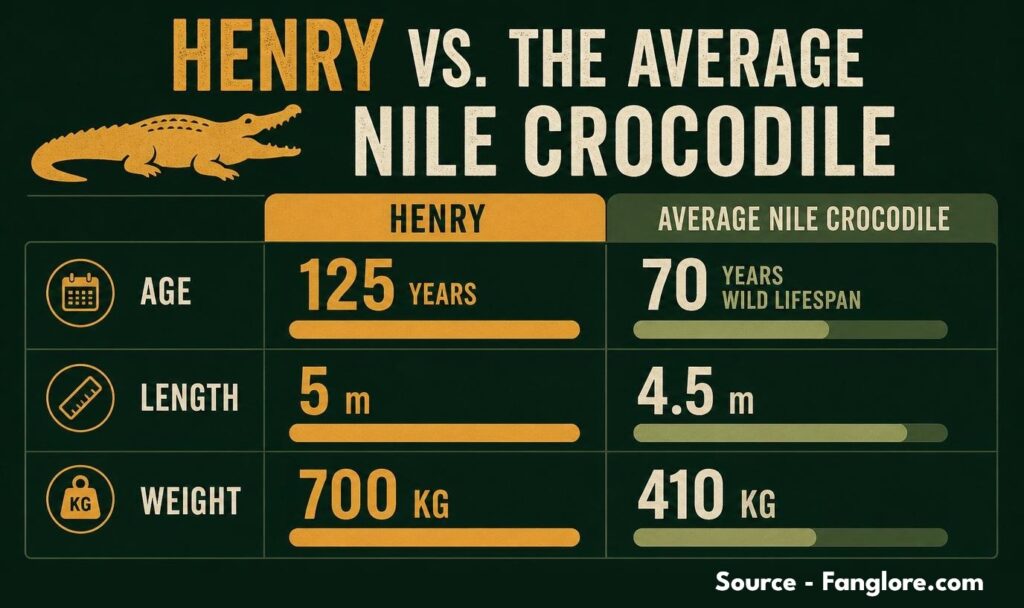
At an estimated 125 years old, Henry is the oldest known Nile crocodile on the planet — a living relic who was already an adult when the Wright brothers took their first flight. He now spends his days sunbathing at the Crocworld Conservation Centre in Scottburgh, South Africa, utterly unbothered by his own celebrity.
You can see him and, among other crocs, say “Yeah! He is a little bigger than your average crocodile, but what’s special?” But He is Trust Me….
From the Okavango to Captivity
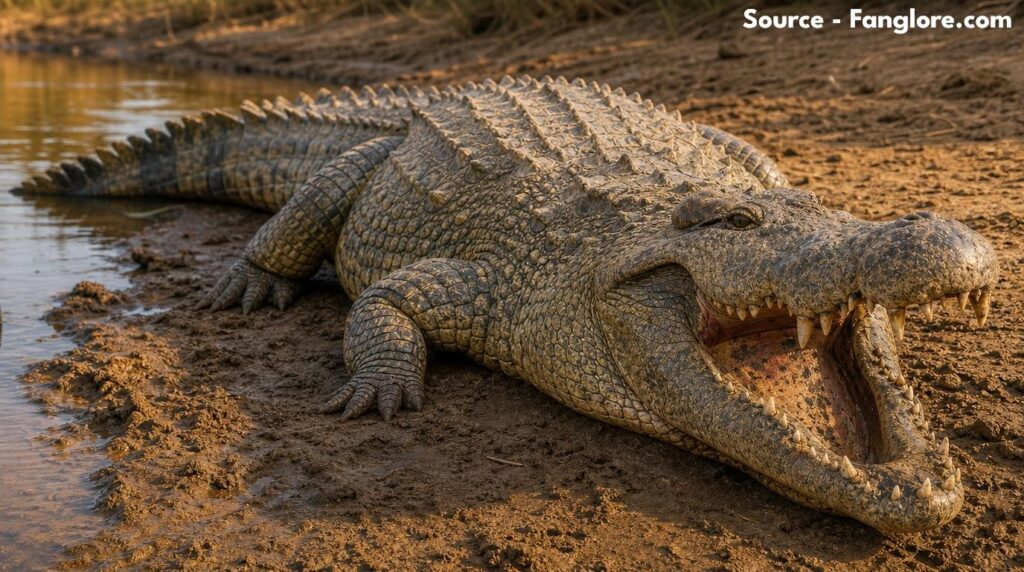
Henry’s story begins around 1900 in Botswana’s Okavango Delta, a sprawling wetland teeming with crocodiles. Local accounts say he was captured in 1903 by an elephant hunter — reportedly named Sir Arthur Henry Neumann — which is how the croc got his name. After decades in the wild, he was relocated to Crocworld in 1985, already an estimated 85 years old.
Since arriving at Crocworld, Henry hasn’t exactly slowed down. He shares his enclosure with six female companions and, according to the centre, has fathered more than 10,000 offspring — a staggering number that keeps growing even now, since crocodiles don’t experience the same reproductive decline mammals do.
Sources are not fully consistent on whether Henry was captured by a hunter or not. But he is rocking the name very well.
A Genuine Unit
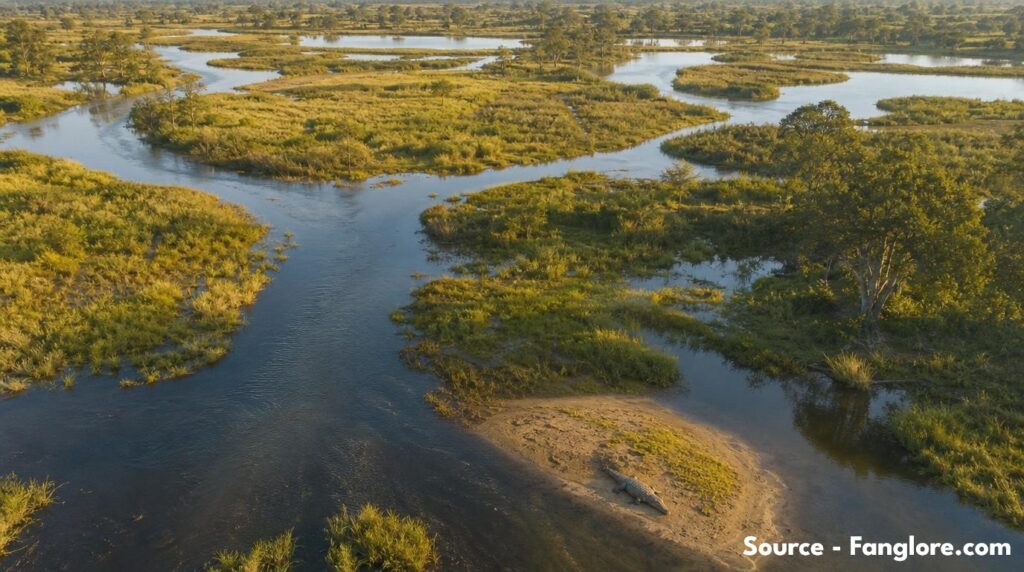
Henry isn’t just old — he’s enormous. He measures roughly 5 metres (16.4 feet) from snout to tail and weighs around 700 kilograms (1,540 lbs), noticeably larger than the average wild Nile crocodile. Crocodiles keep growing slowly throughout their lives, so the extra decades have padded him out into one of the biggest specimens ever documented.
He is proof that crocodiles are a genuine force of nature, and if ecosystems favor such a creature, it can surpass every imagination of growth.
Why Does He Live So Long?
Wild Nile crocodiles typically live 45–70 years. Henry has more than doubled that. Scientists point to a mix of factors:
- A safe environment. No predators, no poachers, no starvation — just feeding schedules and sunbathing.
- Slow, steady metabolism. Crocodilians burn energy far more efficiently than mammals, putting less cumulative strain on their bodies.
- Possible “negligible senescence.” Some researchers argue crocodilians barely show typical signs of biological aging, meaning they mostly die from external causes — injury, disease, or environmental pressure — rather than old age itself. Henry, tucked safely away from all three, may simply be showing what a crocodile’s natural lifespan ceiling actually looks like.
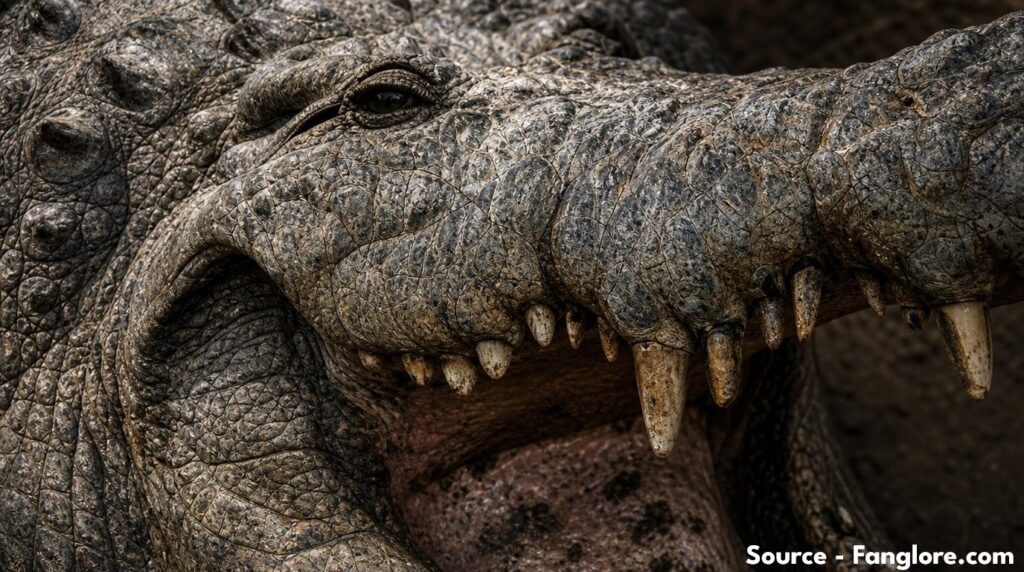
That said, Henry isn’t invincible. Age catches up to us all, and he is no exception to the fact. Keepers note he’s missing a few teeth and toes, fair wear after 125 years on Earth.
Still Going in 2026
Henry made headlines in 2023 when death rumors swept the internet — Crocworld had to issue a statement confirming he was alive and well, joking he’d joined the ranks of celebrities wrongly declared dead. He proved everyone wrong again in December 2025, celebrating his 125th birthday with a full public party at the centre, complete with a fun run and free cupcakes in his honor.
Today, Henry remains Crocworld’s biggest draw — a prehistoric-looking giant who’s outlived kings, wars, and the very concept of the internet, and shows no real sign of stopping.
Time and time again, nature and its inhabitants have shown us, humans, that there are things that are still beyond our understanding, which we can’t deny. Science can only point out possible reasons for how Henry the Crocodile has lived so long, but he stills enjoy life every day, reminding us that the natural world does not nearly fit in our observations and expectation.
Sources: Crocworld Conservation Centre, Live Science, IFLScience, Forbes
Leave a Reply