
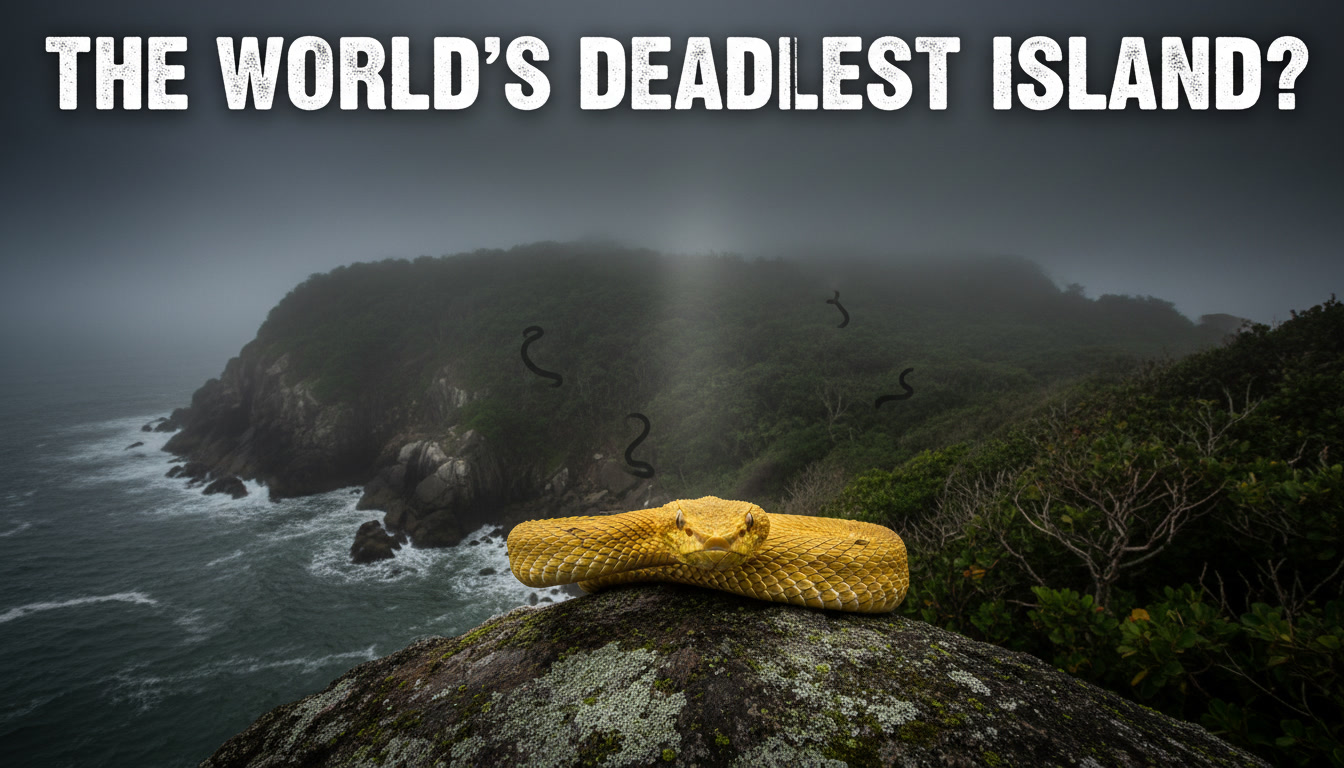
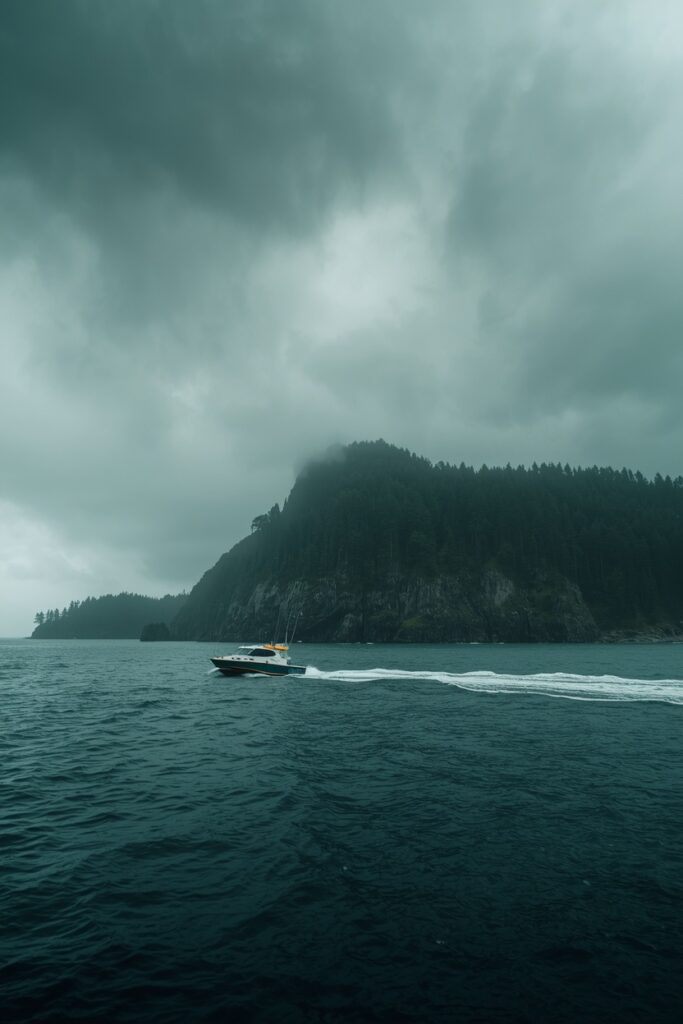
Forty-five kilometers off the coast of São Paulo, Brazil, an uneven, forest-choked island rises out of the Atlantic. No fishermen dock there. No tour boats circle its shore. No tourist and No Human. The Brazilian Navy forbids anyone from setting foot on it without a scientific permit and a doctor standing by. Locals gave it a name that needs no embellishment: Ilha da Queimada Grande — Snake Island.
Home to many snakes, it is the only place on the planet where the golden lancehead viper (Bothrops insularis) exists in the wild, and it is arguably the most concentrated patch of venom on Earth.
Where Is Snake Island, and Why Is It Off-Limits?
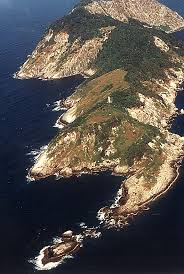
Ilha da Queimada Grande sits roughly 33–35 kilometers off the coast of Santos, in São Paulo state, Brazil. The island covers about 0.43 square kilometers (43 hectares), making it a genuinely tiny landmass to hold one of the densest snake populations on the planet.
The island wasn’t always cut off from the mainland. Rising sea levels at the end of the last ice age, around 11,000 years ago, isolated the snakes there, and with no mammal predators to keep them in check, their numbers grew largely unchecked.
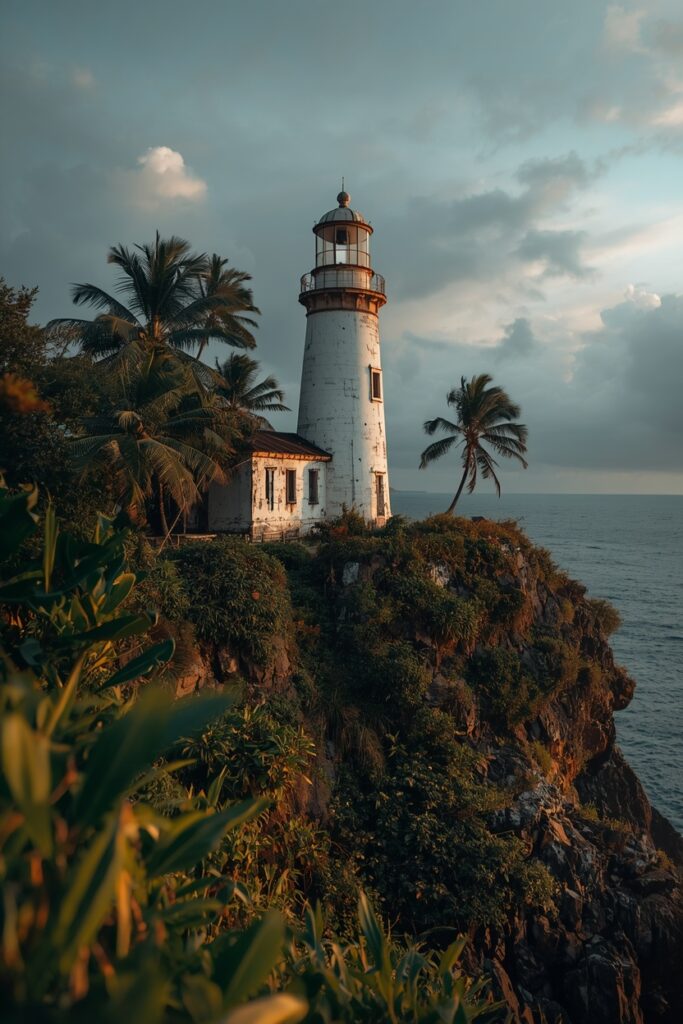
A small lighthouse once stood on the island, staffed by keepers who maintained it in the early 1900s. Local legend holds that the keeper’s family was killed by the vipers, and after the lighthouse was automated, no one has lived there since. Whether or not the story is true, it captures exactly why Brazil treats the island the way it does today. And they are right.
Today, access to Ilha da Queimada Grande is restricted to the Brazilian military and authorized researchers, and the human residents who once altered its ecosystem left nearly a century ago. It has the same reputation as the infamous The Five Deaths islands from Jurassic World Movies.
The Golden Lancehead Viper: A Snake Found Nowhere Else
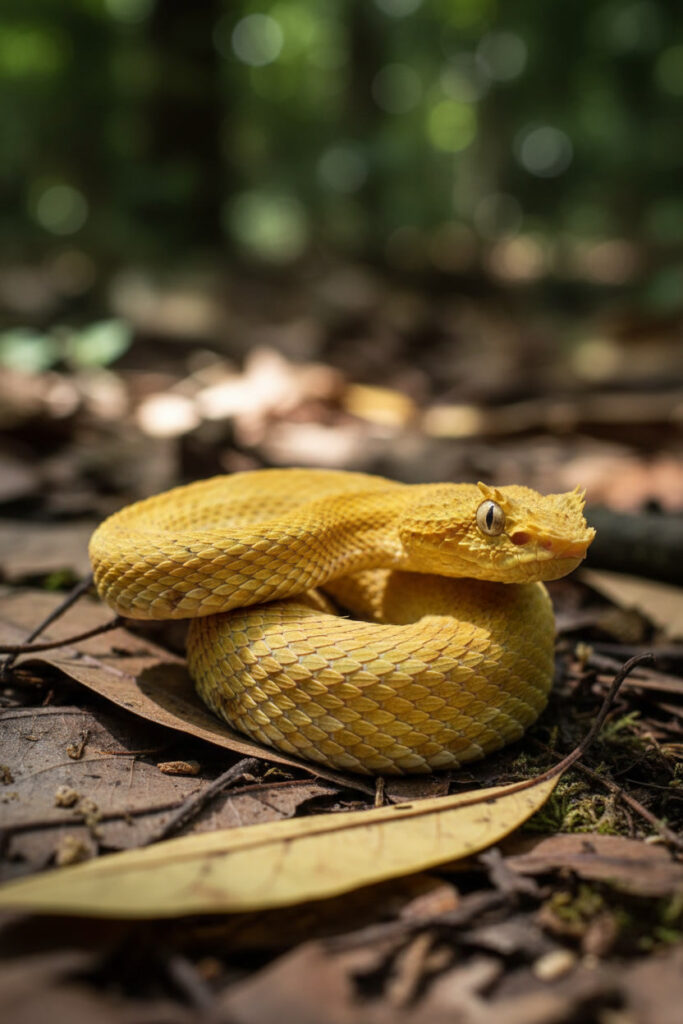
The golden lancehead takes its name from the pale, yellowish-brown hue of its underside and the sharp, lance-shaped head typical of the Bothrops genus. It’s an extremely venomous pit viper in the family Viperidae, found exclusively on Ilha da Queimada Grande, and ranks among the most venomous snakes in Latin America.
Physically, it isn’t an enormous snake. Adults typically reach a total length of 70 to 90 centimeters, though the largest recorded specimens have stretched to about 118 centimeters. What it lacks in size, it makes up for in sheer density: the island is home to roughly 3,000 vipers, creating one of the highest population densities of snakes found anywhere on Earth. Some estimates push that range even higher — researchers put the total population somewhere between 2,000 and 4,000 individuals. That’s a lot of snakes in a small place for a species that is unique to only a single place in the world.
Imagine stepping on an island where one of the deadliest snake (not found elsewhere in the world) is found everywhere you look. What an exotic way to say goodbye to the world.
Just How Dangerous Is Golden Lancehead Venom?
Scientific analysis shows the golden lancehead’s venom is roughly five times as potent as that of its mainland relative, the jararaca, and it’s considered the fastest-acting venom in the entire Bothrops genus. In simple words, its venom does its job 5 times faster than any of its relatives found elsewhere in the world.
Because it evolved specifically to bring down birds and other small ectotherms and arthropods rather than mammals, the venom’s chemistry is tuned to those prey groups, growing more potent as the snake matures.
For a human bitten by the venom, the clinical picture is grim. Documented effects of golden lancehead envenomation include swelling, severe local pain, nausea and vomiting, blood blisters, bruising, blood in the vomit and urine, intestinal bleeding, kidney failure, and hemorrhaging in the brain. The venom can also cause tissue death and internal bleeding, and some researchers have looked at these same toxins for potential use in treating heart disease and blood clots.
Because almost no one is legally allowed on the island, hard data on human bites is thin. No official report of a person being bitten on the island itself exists, but four human envenomations from golden lanceheads have been documented elsewhere, three of which proved fatal.
Overall, the mortality rate for lancehead bites sits at roughly 0.5–3.0% when a victim receives treatment, climbing to about 7.0% without it. Speed is the real danger here: the venom can kill in under an hour, which leaves almost no margin for a boat ride back to the mainland for antivenom.
All this makes the Golden Lancehead a truly dangerous species; so if anyone goes to find it, both its venom and the place where it resides ensure no one escapes it in this world.
The Black Market Price of a Golden Lancehead
Rarity and lethality make a dangerous combination when there’s a buyer willing to pay for it. The golden lancehead is unique enough, and its venom potent enough, that specimens smuggled off the island by “biopirates” can fetch up to $30,000 apiece on the black market, with prices climbing even higher depending on the buyer.
Who’s paying that kind of money for a snake? Demand comes largely from private collectors and from pharmaceutical and scientific interests chasing the venom’s rumored medical applications, in fields ranging from cancer research to cardiovascular health. Traffickers are known to make illicit visits to the island specifically to capture live vipers for this market, despite the legal and physical risks involved.
Still, humans have ventured into even more dangerous and impossible environments when lots of money, greed, or curiosity are involved.
The trade isn’t a victimless crime against an abundant species, either. Every snake illegally removed from the island raises the risk of inbreeding within the wild population, which can lead to infertility and a reduced ability to adapt to environmental change. That matters enormously for a species that, despite living at one of the highest snake densities on the planet, is classified as Critically Endangered on the IUCN Red List — its entire wild range is a single 43-hectare island, and it has nowhere else to retreat to if things go wrong.
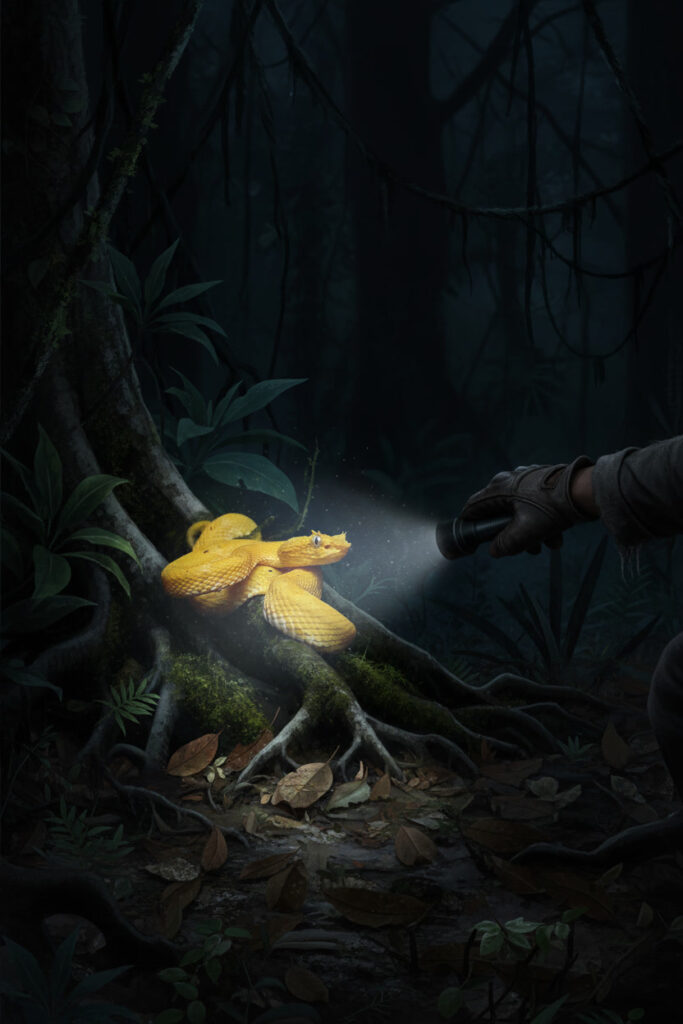
Conservation on a Vanishing Island
Poaching isn’t the only threat. The golden lancehead depends on migratory birds passing through the island as a stopover, but deforestation of Brazil’s Atlantic rainforest has been thinning out those bird populations, cutting into the snake’s only reliable food source.
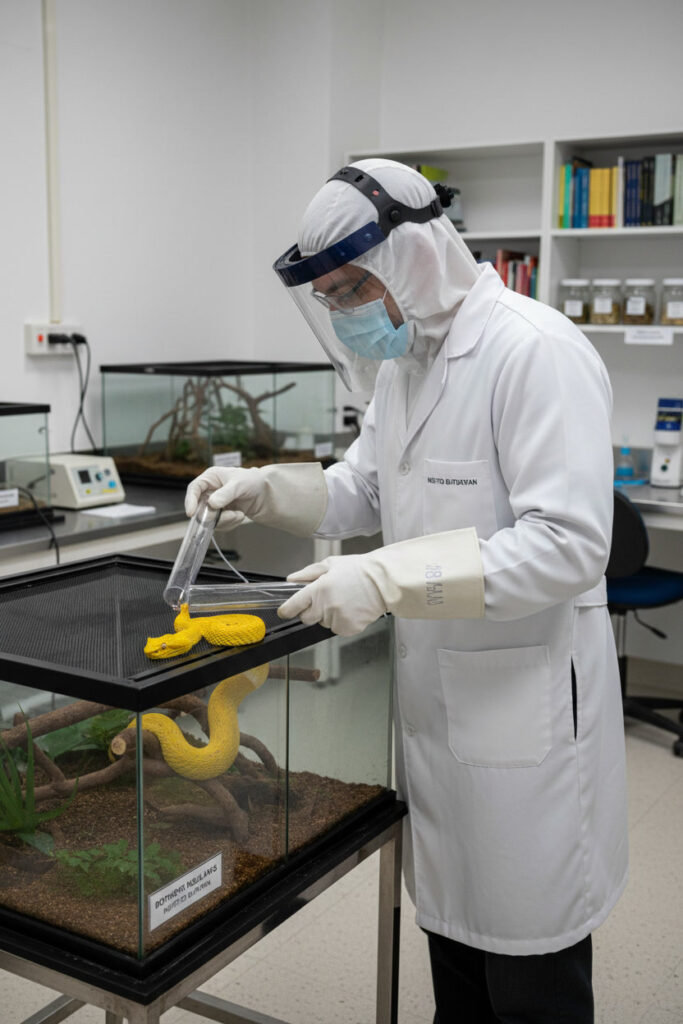
Brazilian researchers aren’t waiting to find out how that story ends. Selma Almeida, a biologist at Brazil’s Instituto Butantan who has spent more than three decades as one of the few scientists permitted to work on the island, is now leading an effort to recreate the golden lancehead’s habitat at the institute in São Paulo — an insurance policy in case the wild population continues to decline.
Interestingly, researchers who’ve handled the species describe it as relatively calm to work with compared to other venomous snakes, a strange contrast to the animal’s fearsome reputation.
This also acts as a reminder that even the most dangerous predators can be incredibly fragile. Even one of the deadliest snakes has a role to play in their ecosystem and may require protection before it becomes extinct
Conclusion
The Brazilian Navy forbids visitors to the Snake Island entirely — a rule that protects both curious humans and one of the rarest reptiles on the planet in equal measure.
It’s a strange kind of sanctuary: a single hectare-scale island, closed to the world, holding the entire wild population of a species found nowhere else — and a black market price tag steep enough that people still risk their lives trying to sneak past the ban.
Leave a Reply